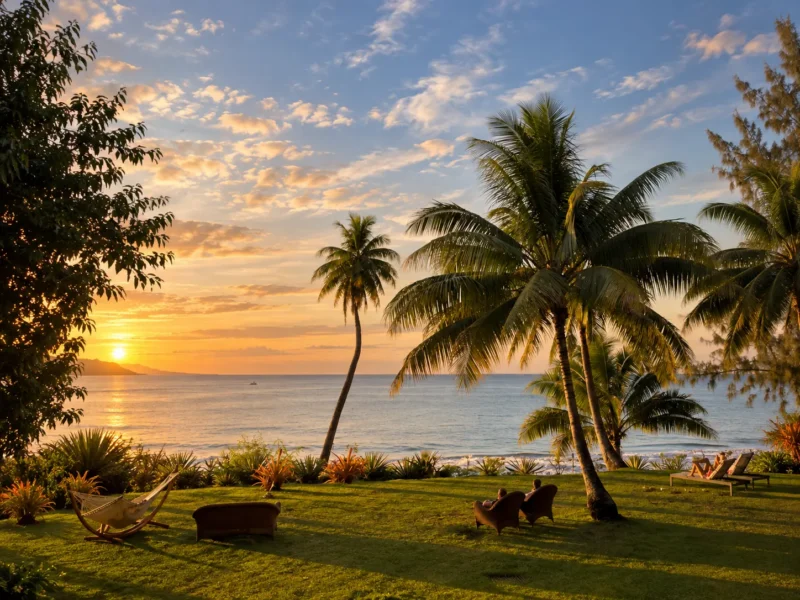
French Polynesia, Fiji and the Cook Islands are a long way from almost everywhere, which is part of the appeal. Expect volcanic peaks, wide lagoons and resorts that reward a longer stay, ideally combined with a second island.
The three island groups covered here sit thousands of kilometres apart, so pick one as the main event and treat the others as a future trip unless you have a fortnight or more. French Polynesia is the most dramatic and the most expensive, Fiji has the broadest choice of resorts and the easiest family options, and the Cook Islands are smaller, calmer and kinder to a mid-range budget.
How the islands differ
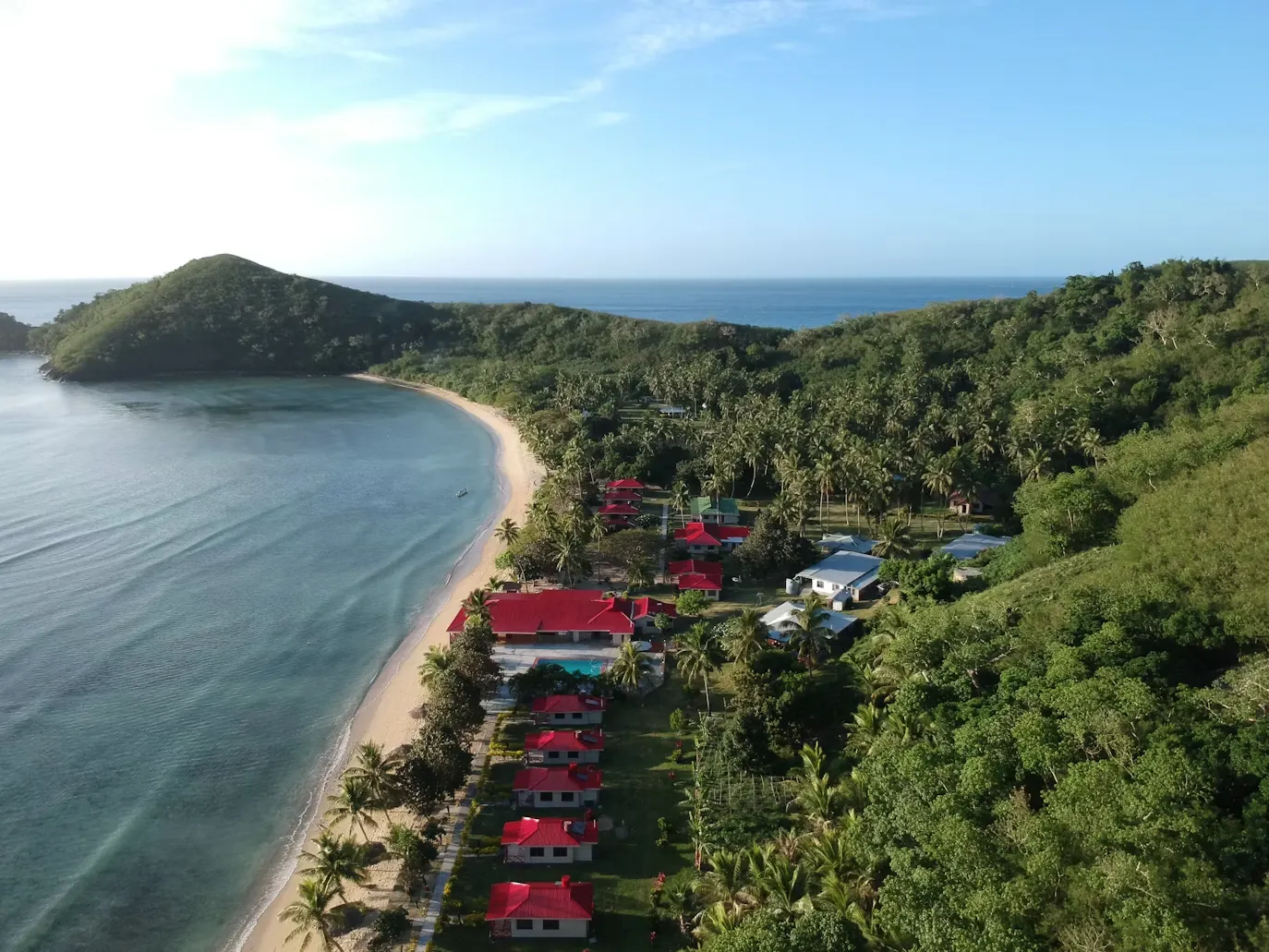
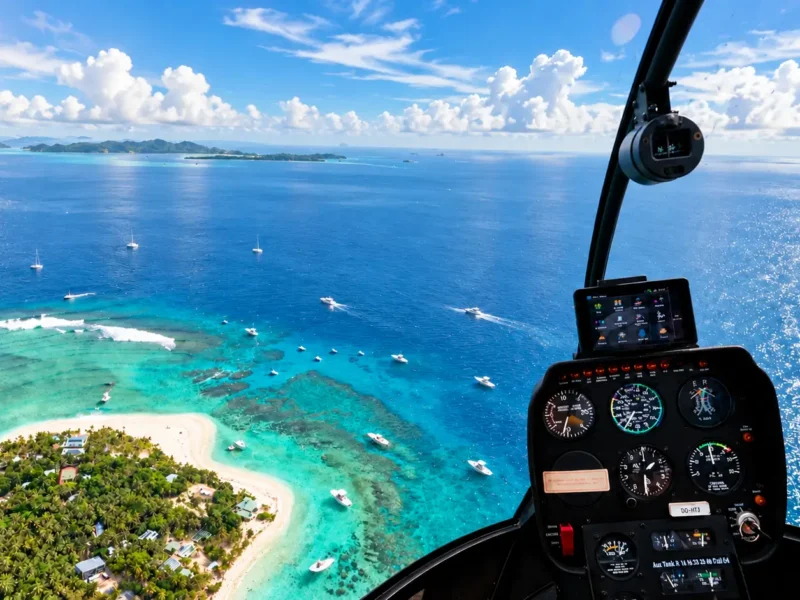
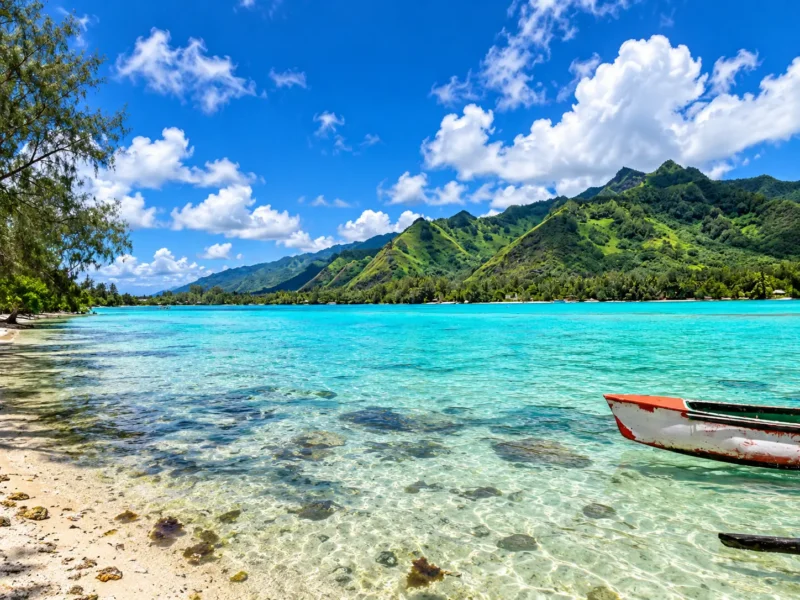
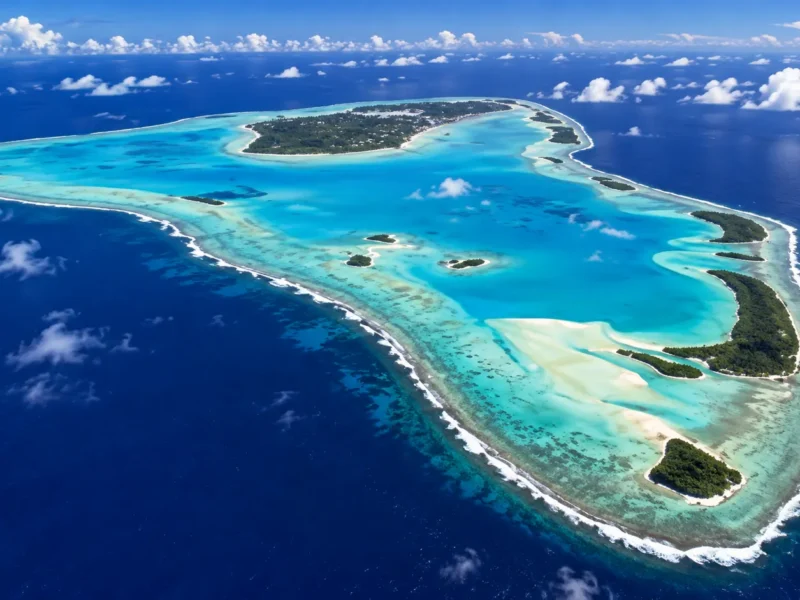
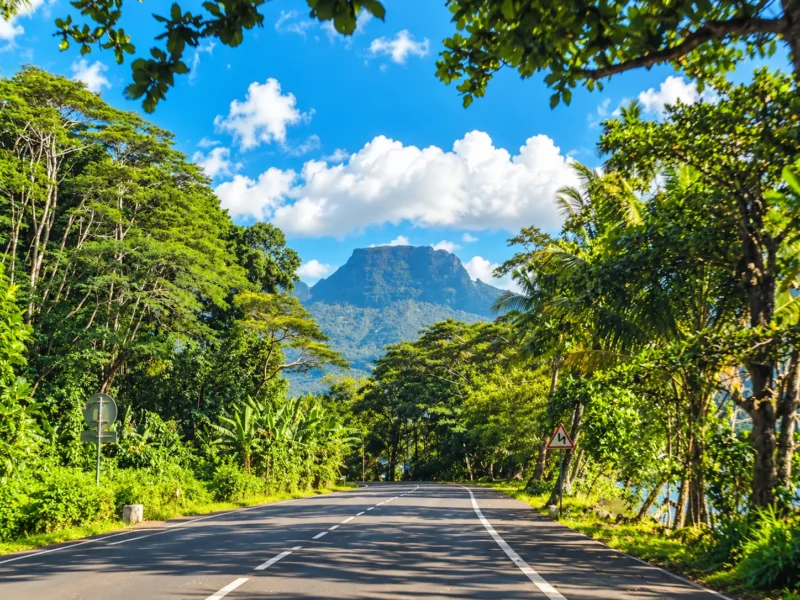
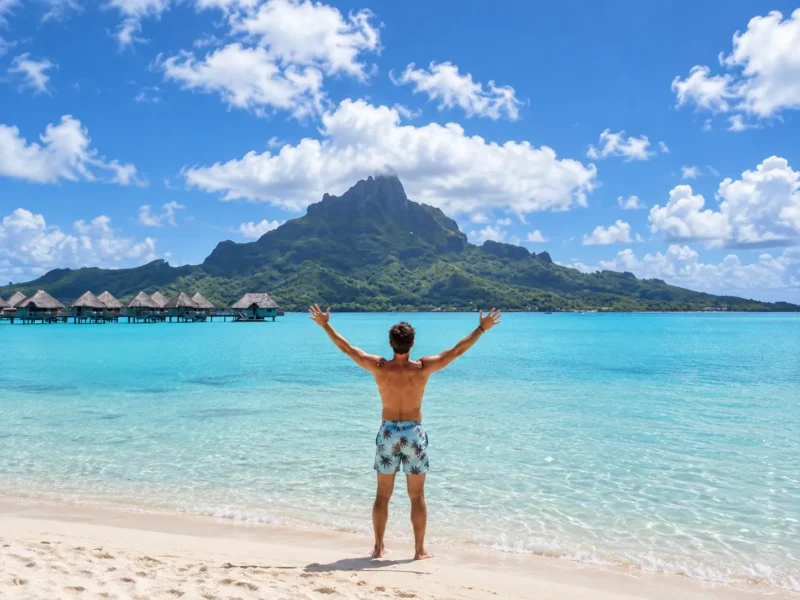
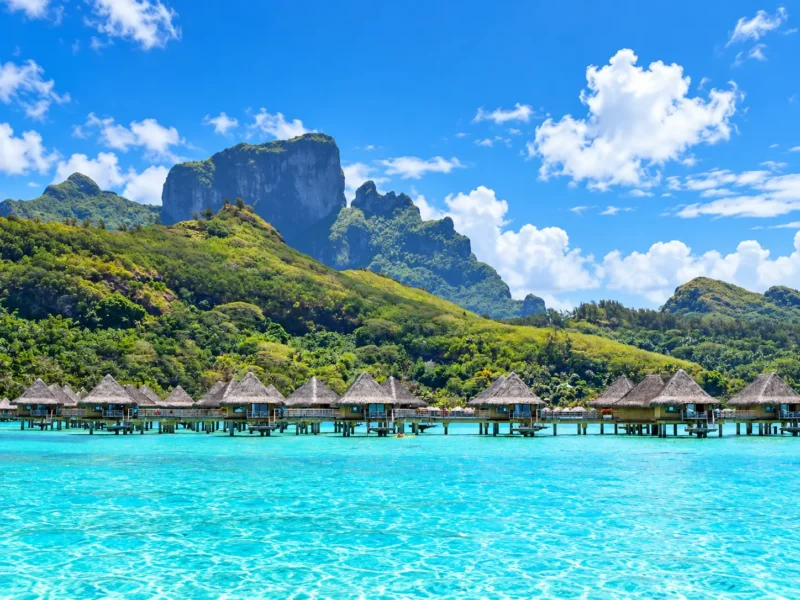
French Polynesia is a French overseas collectivity whose signature is the overwater bungalow facing a volcanic peak. Moving between its islands means Air Tahiti flights and resort launches, so every extra stop costs half a day. Fiji's luxury stays are mostly on small islands off the dry western coast of Viti Levu, reached from Nadi by catamaran, speedboat, helicopter or seaplane. In the Cook Islands, Rarotonga gives you villages, markets and a single coast road, while Aitutaki's enormous lagoon is a 50-minute turboprop hop north.
Where you fly from shapes the choice too. From Australia and New Zealand, Fiji and Rarotonga are short regional flights; Rarotonga is just under four hours from Auckland. From North America, both Tahiti and Fiji have nonstop services from the US west coast.
The weather follows one pattern across the region. The cooler, drier months from roughly May to October bring calmer seas and the highest rates; November to April is hotter and more humid, with short heavy downpours and a cyclone risk that makes flexible bookings and good insurance sensible.