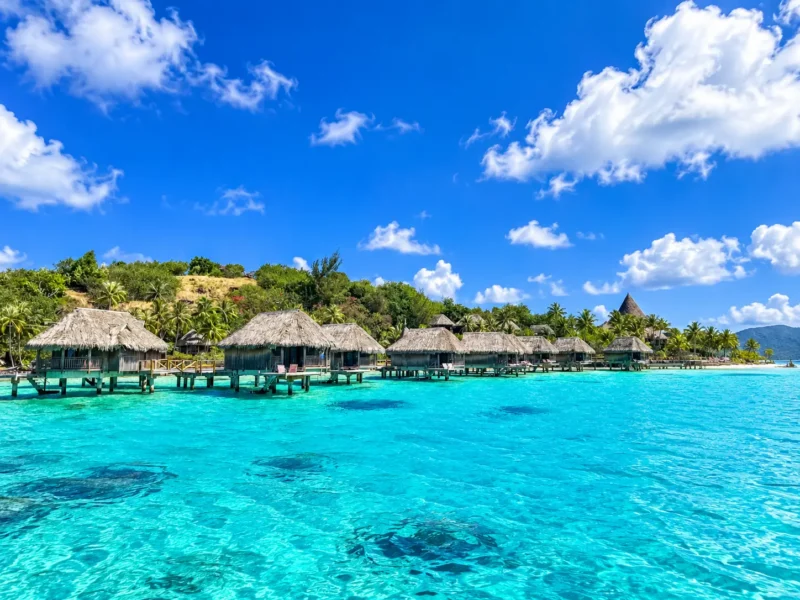
When to go
May to October is the dry season, with lower humidity, the calmest seas and the highest rates; it also overlaps with manta season in the Yasawas. November to April is hotter and wetter, and the official cyclone season, with the greatest risk usually cited from December to February. If you travel then, the short Mamanuca crossings give you a bigger safety margin.
Getting there and the final leg
Nadi International is the gateway, with flights of around four hours from Sydney, three from Auckland and roughly 11 hours nonstop from the US west coast. From Nadi you choose your onward method:
- Scheduled catamarans and private speedboats from Port Denarau, typically 30 to 60 minutes to Mamanuca resorts.
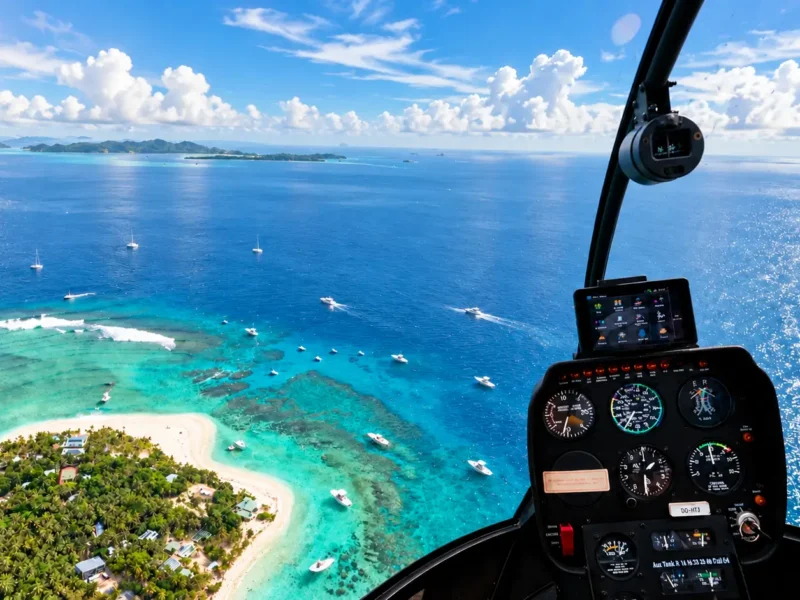
- Helicopters from Nadi airport, about 15 minutes to most islands, in daylight only.
- The Yasawa Flyer, one sailing a day at 8.30am, reaching the far north around lunchtime.
- Seaplanes or light aircraft for the remotest Yasawa resorts, with tight baggage limits.
International arrivals rarely line up with boat timetables, so a late landing often means a night near Denarau before heading out.
Where to base yourself
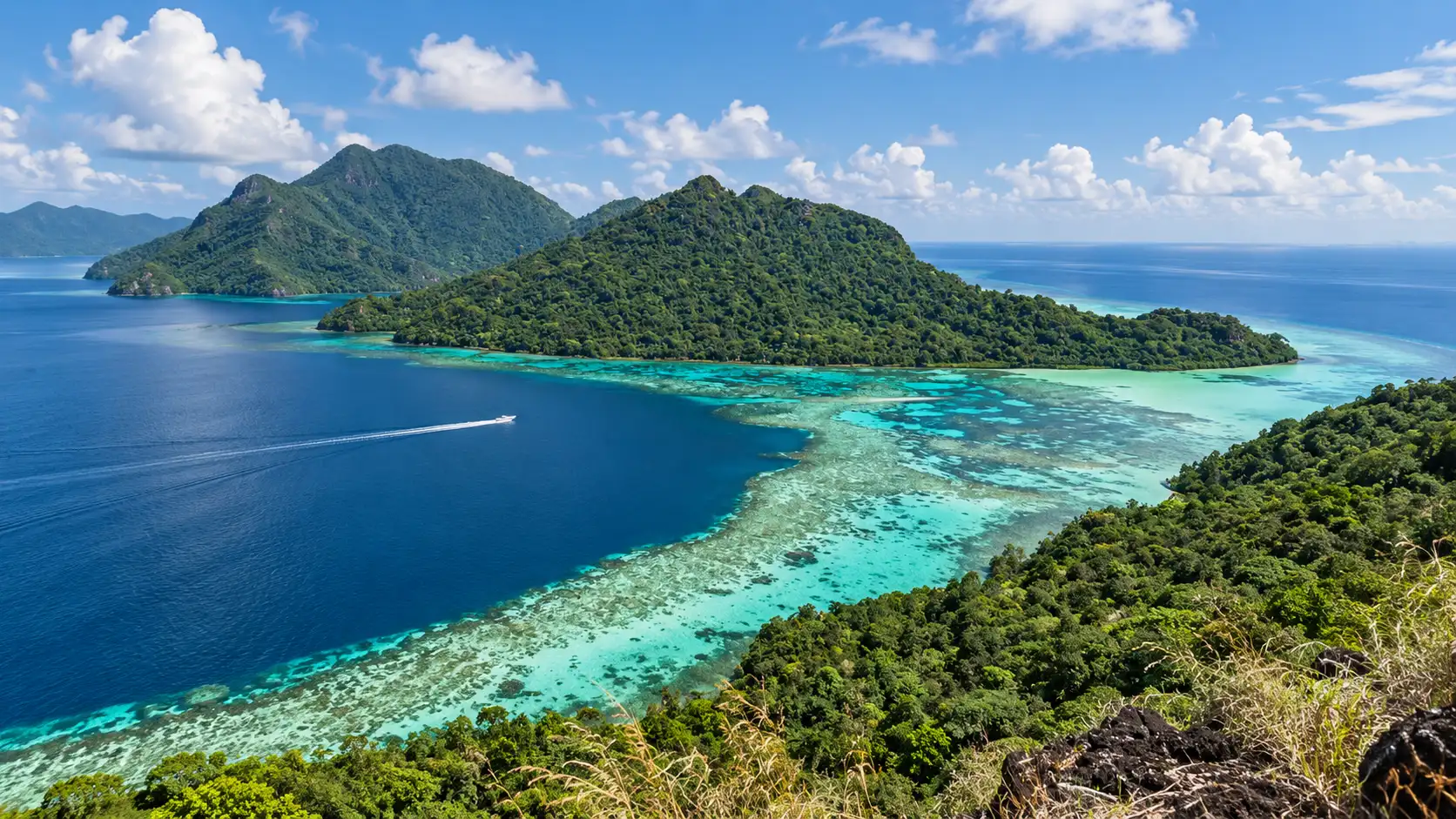
The Mamanucas suit short trips, families and anyone wanting a beach within an hour of landing. The Yasawas reward a week or more with fewer people, bigger scenery and the mantas, at the cost of a longer and less flexible journey.
How long to stay
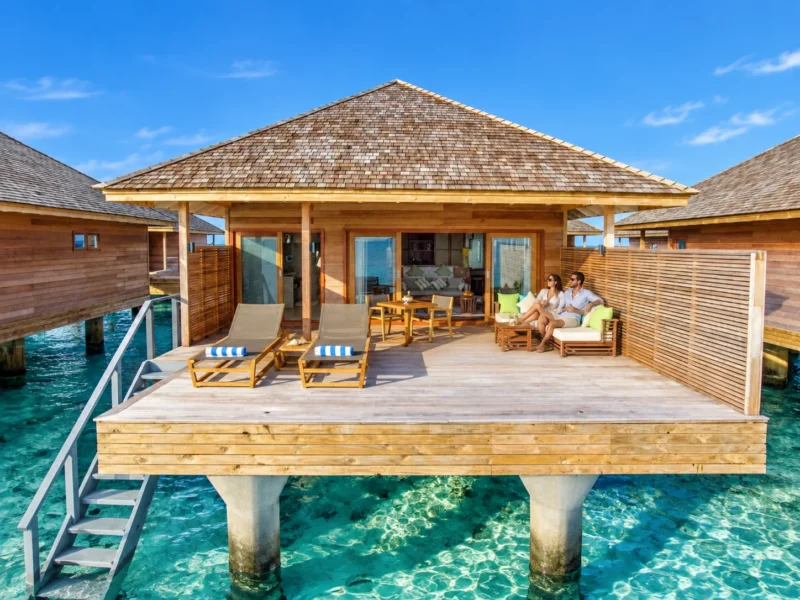
Seven to ten nights is typical. For six nights or fewer we'd stay at one resort; from about nine nights a second island makes sense, provided each stay gets at least four nights and the second changes the pace.