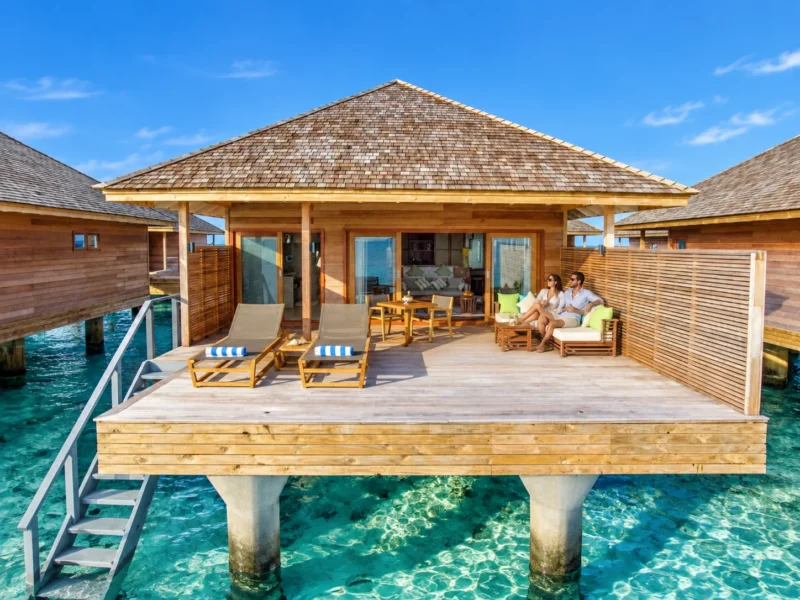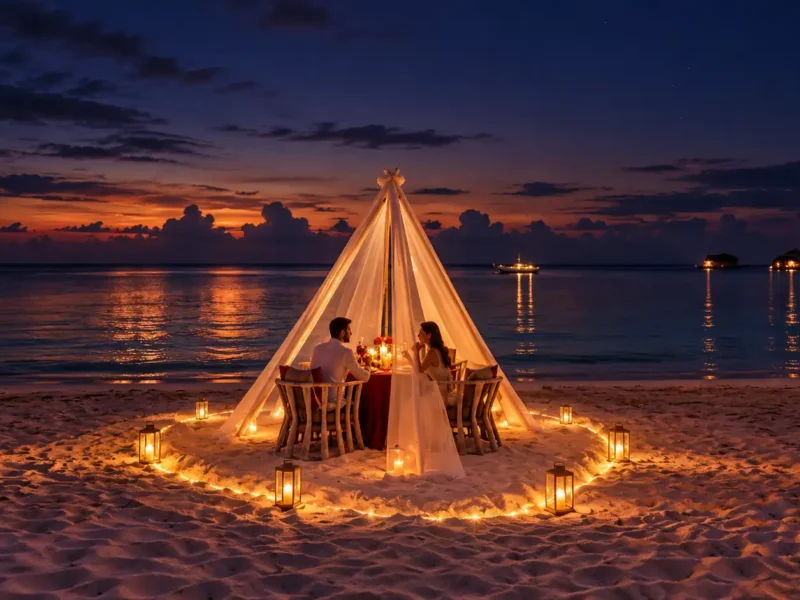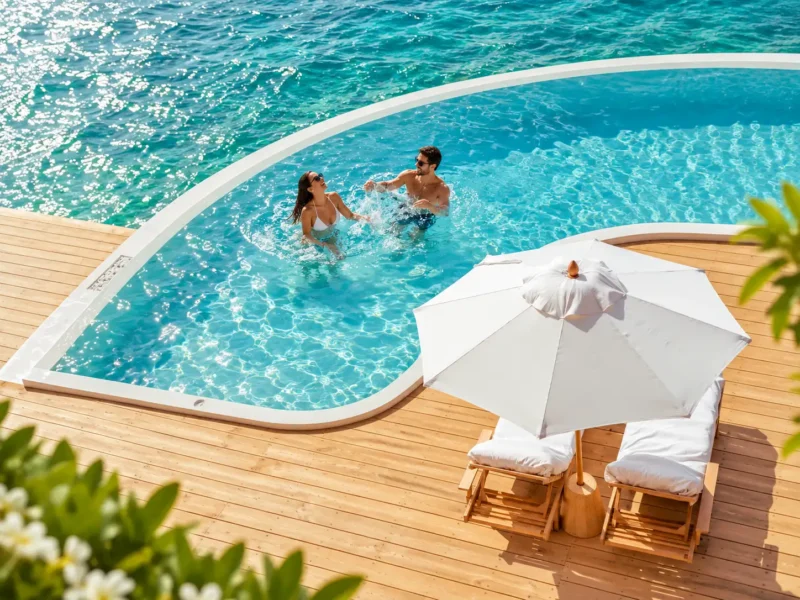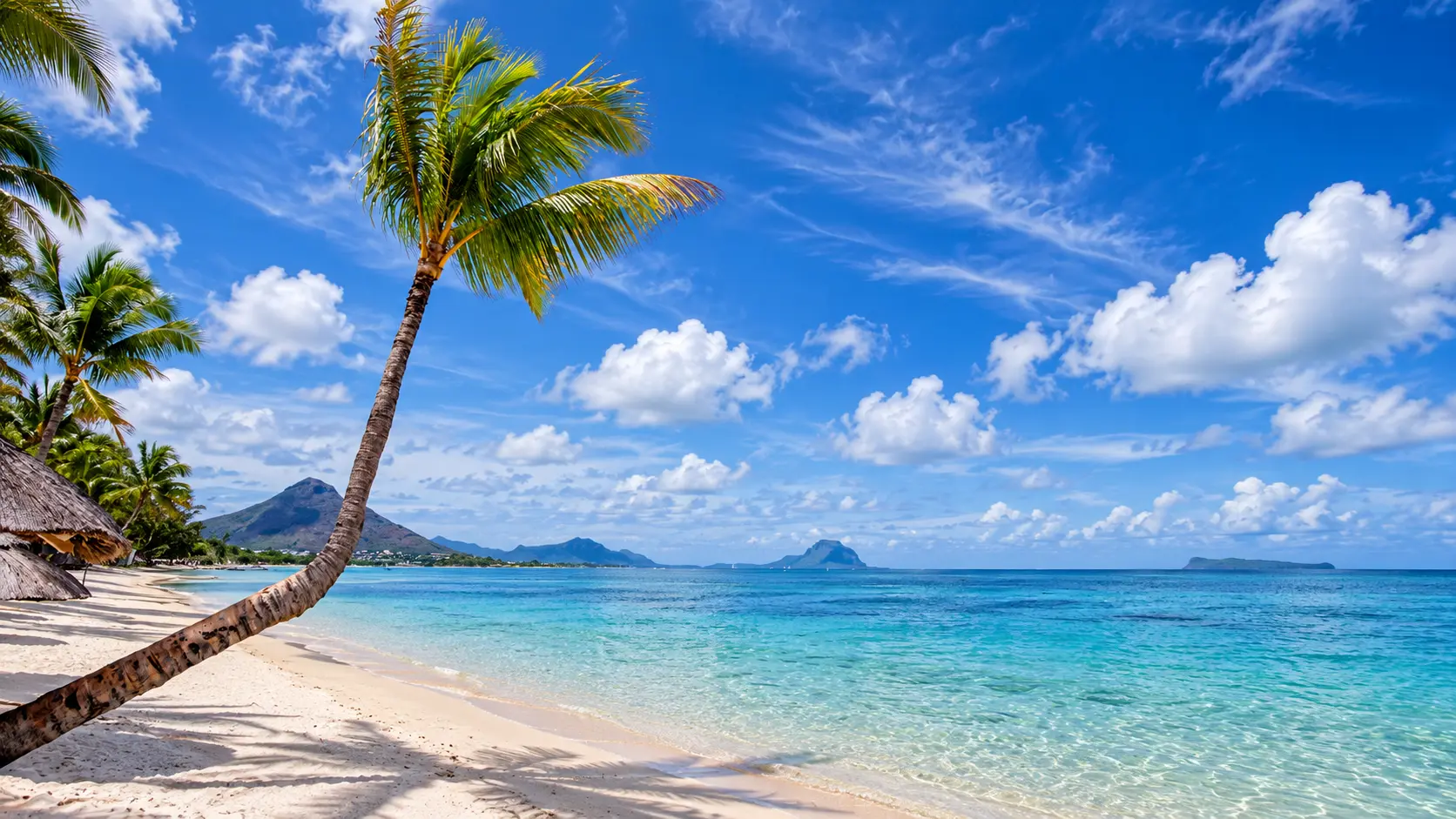
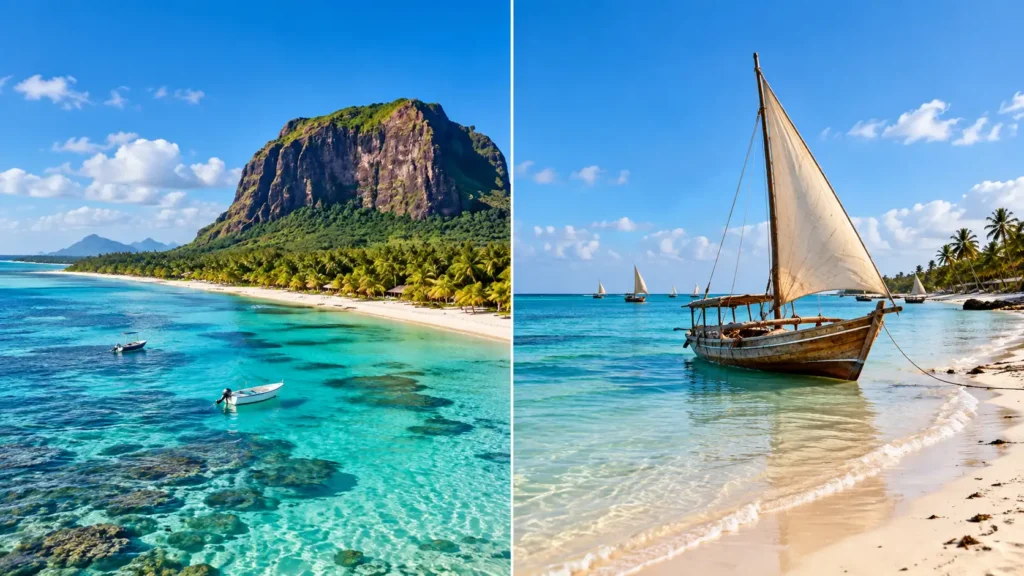
Choose Mauritius if you want a polished lagoon resort holiday with a direct flight from London and a week that runs itself. Choose Zanzibar if you want Stone Town, spice-farm history and Swahili food, ideally as the beach finish to a Tanzanian safari. The mauritius vs zanzibar decision comes down to three practical things: how you fly, how the tide treats your coast, and how much of the holiday you want to spend away from the hotel.
Mauritius pulls ahead on ease. Zanzibar pulls ahead on character, and it can cost a little less to stay well. The two islands sit in the same ocean but hold very different days, so the sections below take flights, swimming, resorts, culture, seasons, money and entry rules in turn.
The quick answer: which island suits you?
| Question | Mauritius | Zanzibar |
|---|---|---|
| Flying from London | Non-stop from Gatwick, around 12 hours | No non-stop; one stop via Doha, Istanbul, Nairobi or Addis, from around 11.5 hours |
| Swimming all day | Dependable inside reef-sheltered lagoons | Easy at Kendwa and Nungwi, tide-limited on the east |
| Beyond the hotel | Golf, gorges, markets, rum estates, road trips | Stone Town, spice farms, dhow trips, kitesurfing |
| Best added to | A longer island stay split between two coasts | A mainland Tanzania safari |
| Arrival admin | Visa-free for most Western passports plus an online travel form | Tanzania e-visa plus a compulsory Zanzibar insurance certificate for most visitors |
| Seven nights, two adults, ex flights | Around US$5,000 to US$10,000 | Often lower for villa-style stays, but extras add up |
If you are travelling with children, a golfer, or a partner who wants the hotel to handle everything, Mauritius is the lower-risk pick. If you get restless on a lounger and would swap one beach day for a morning among Stone Town’s carved doors, Zanzibar earns its slightly harder logistics.
The Mauritius figure above matches the range in the guide to the best luxury resorts in Mauritius, which also covers how the budget moves between resorts.
Prices are indicative and were last updated in October 2026. Rates change with season, exchange rates and availability, so check live prices before booking.
Flights and transfers: the gap that surprises people
From London, Mauritius is the simpler trip. British Airways and Air Mauritius both fly non-stop from Gatwick, with a scheduled block time of roughly 12 hours. Resorts in Belle Mare, where One&Only Le Saint Géran sits, are typically around an hour from the airport by road. Le Morne, on the southwest tip, is usually 65 to 80 minutes, and weekday rush hours can add 20 to 30 minutes.
Zanzibar has no non-stop from London. Most itineraries change in Doha, Istanbul, Nairobi or Addis Ababa, and the quickest connections come in at about 11.5 hours door to door while slower ones can pass 20. The island airport is close to Stone Town, but resorts are not. Kendwa on the north coast is around 60 km away and takes roughly 80 minutes, Paje on the southeast coast is about 50 km and around an hour. After an overnight connection, that final drive is part of the day, so book a private transfer in advance.
Travelling from the mainland changes the sum entirely. A short internal flight from a safari airstrip makes Zanzibar the more efficient choice, and the guide to how many nights to spend in Zanzibar after a safari sets out how long the beach stop should last.
Beaches and tides: how the water behaves
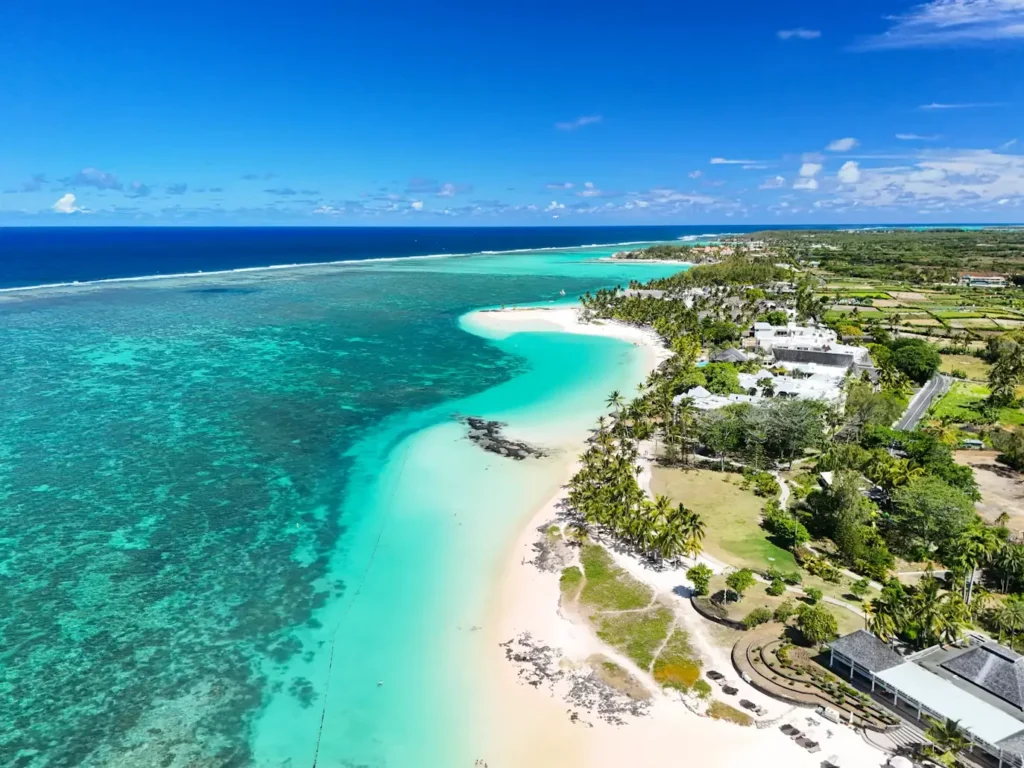
Mauritius is ringed by reef, which keeps most resort lagoons calm and swimmable through the day. Differences still exist. The east coast is wider and breezier in the cooler months, the west is often calmer and better for sunsets, and the exact beach in front of your room matters more than the compass point. The comparison of the east and west coasts of Mauritius breaks down which resorts fall where.
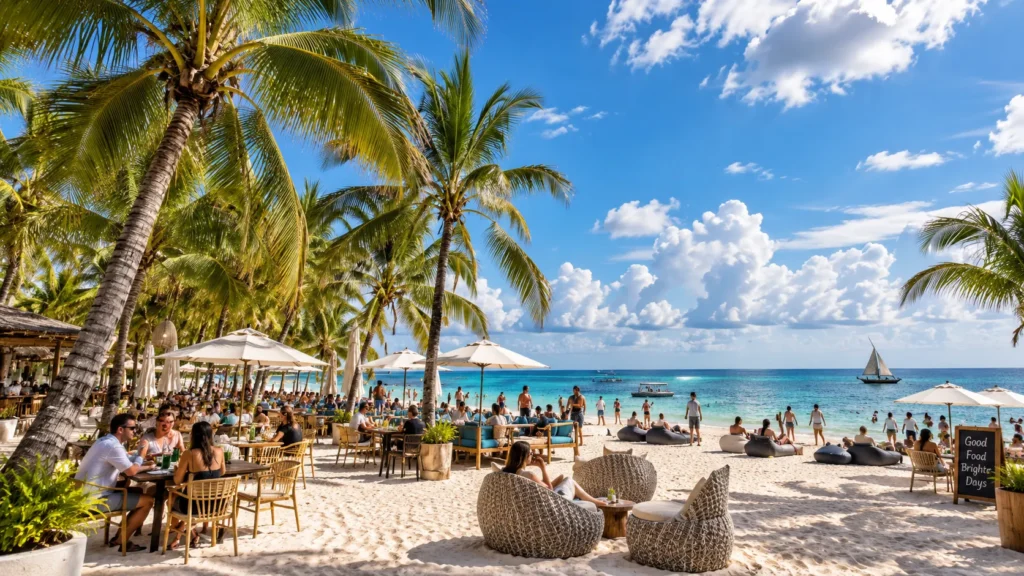
Zanzibar is driven by tides, which are among the first things to plan around. On the east coast around Paje, Bwejuu and Jambiani, low water can retreat several hundred metres and leave sandbars, tidal pools and seaweed farms where you were swimming an hour earlier. High tide brings the sea back to the sand. The north coast around Kendwa and Nungwi drops away quicker from the shore, so swimming stays possible for far more of the day.
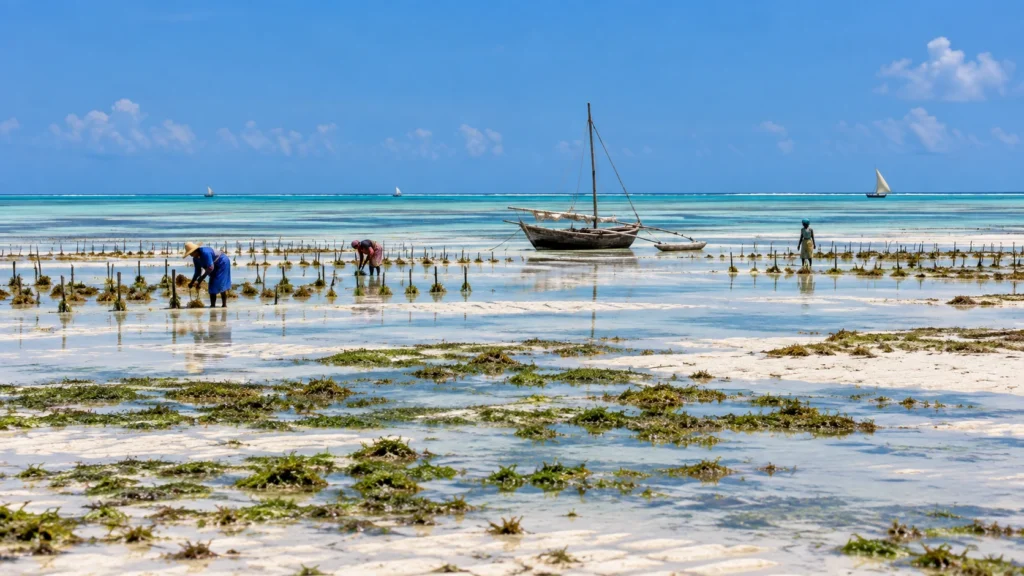
That makes the choice of coast the single biggest decision on Zanzibar. Pick north if you want to swim whenever you like, and east if sunrise walks, kitesurfing and the shape-shifting shoreline are the point. Check a local tide table for your dates, because the pattern shifts through the month. The north versus east coast Zanzibar guide goes beach by beach, and the best Mauritius beaches for luxury travellers does the same for the other island.
Four resorts that show the contrast
These four sit at opposite ends of each island’s range: a classic east-coast peninsula resort and a mountain-backed southwest one in Mauritius, then a tide-proof north coast resort and a villa hideaway on the tidal southeast in Zanzibar.
One&Only Le Saint Géran: best for a self-contained Mauritius week
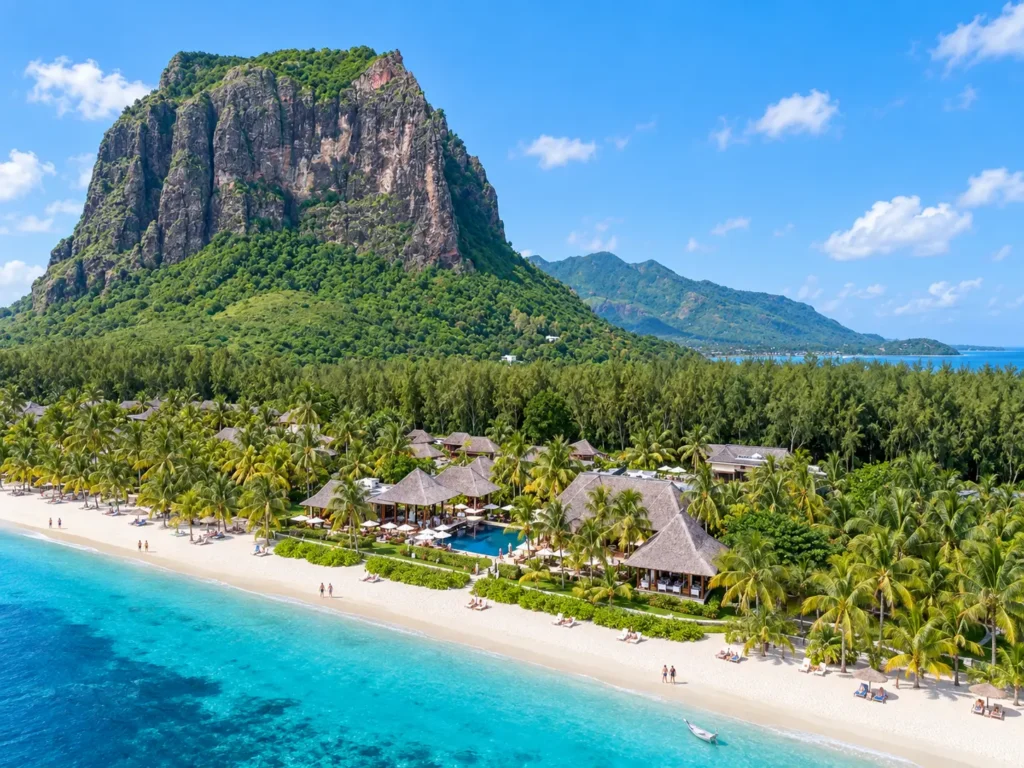
Le Saint Géran occupies a peninsula at Belle Mare, so it has open ocean on one side and calm lagoon on the other. The value of that layout is choice: you can swim in sheltered water in the morning and walk out to the breezier ocean beach for the evening. Dining runs to several restaurants, including Tapasake, La Terrasse and Le Badamier, and the spa is built around a large wellness area. For a stay of seven nights or more, the range of things to do on site is the main argument for it over a smaller hotel.
- Best for: Couples and families who want service, food variety and facilities in one place.
- Location: Belle Mare on the east coast, about an hour from the airport.
- Rates: A lagoon or ocean room with breakfast runs from around US$900 a night in the June to September low season to about US$1,250 in high season, before 15% VAT, and rises sharply at New Year.
- Don’t miss: A beachfront suite or Villa One if you want direct sand access.
Good to know: check whether your room faces the lagoon or the ocean before paying for an upgrade, because the two experiences differ.
LUX* Le Morne: best for scenery and wind sports
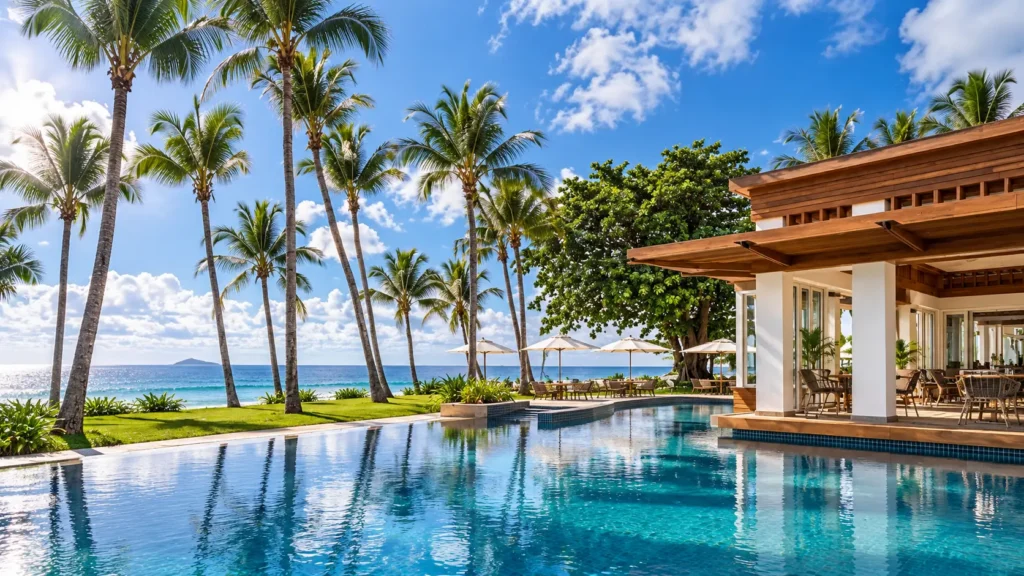
LUX* Le Morne sits on the southwest tip, below the Le Morne Brabant mountain, and the shoreline here faces the evening light. The resort has around 150 rooms and suites, so it is a mid-sized property, and the neighbouring Le Morne peninsula is among the island’s main kitesurfing and windsurfing areas. The resort’s own watersports centre is aimed at windsurf, wing-foil and SUP, and some sources place the kite centre a few minutes’ drive or a beach walk away, so confirm what you need before booking. It also makes a natural base for Chamarel, the Black River Gorges and the southwest coast.
- Best for: Active couples and anyone who wants mountain scenery with their beach.
- Transfer: Around 65 to 80 minutes from the airport.
- Rates: Sea-facing Deluxe rooms with breakfast are often from around US$380 a night in June to August and nearer US$700 in high season; junior suites cost more.
- Don’t miss: A sunset walk along the beach toward Le Morne Point.
Good to know: wind can be strong between roughly June and September, which is good for kite sports and less welcome for sunbathing. The resort is closed for renovation from 1 May to 31 October 2027, so plan a Le Morne stay outside those dates.
Zuri Zanzibar: best for tide-proof beach days after safari
Zuri sits on the northwest coast at Kendwa, where the water stays at swimming depth for far more of the day than on the east side. It mixes bungalows, suites and villas in gardens that run down to the beach, around 55 rooms in total, with a few restaurants on site. That combination makes it a sound landing pad after a safari, because you can swim, eat and sleep without checking a tide table. Half-board packages are common, and one agent lists seasonal bungalow rates from around US$790 to US$1,150 per room per night.
- Best for: Couples and families wanting a straightforward post-safari beach stay.
- Transfer: About 80 minutes from the airport by road.
- Rates: Bungalows on half board cost from around US$790 a night in April, May and early December and about US$1,150 from June to November, with VAT and service included; add the US$5 per person nightly levy, and expect about US$1,350 over the festive period.
- Don’t miss: A late afternoon at Kendwa beach, when sunset boats gather offshore.
Good to know: Kendwa beach is lively in the evening, so ask for a room away from the beach bars if you want quiet.
Zanzibar White Sand Luxury Villas & Spa: best for villa privacy and Paje’s tides
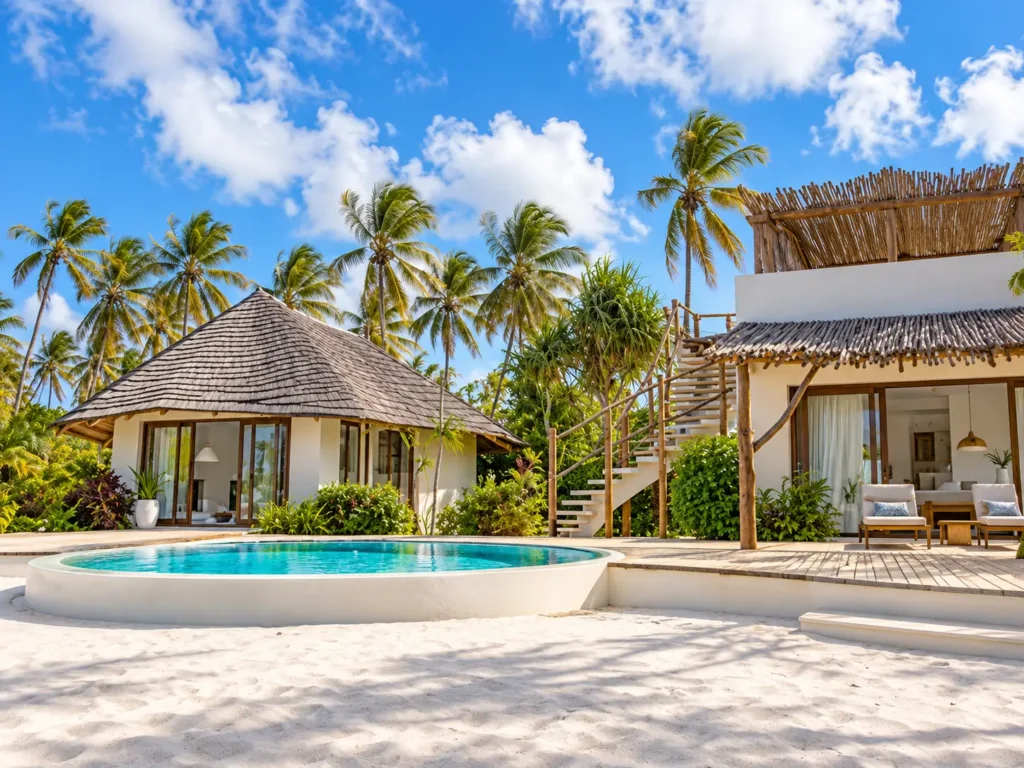
This family-owned Relais & Châteaux property at Paje is much smaller than the Mauritian resorts, with 19 private villas and three Cinnamon rooms. Villas have their own plunge pools, which solve the low-tide swimming issue by putting water outside your door. A holistic spa, garden-to-table dining and rooftop bar sit within the grounds, and Paje is Zanzibar’s kitesurfing centre, with a side-onshore wind and a shallow lagoon. Stone Town is about 40 km away, and the airport transfer is roughly an hour.
- Best for: Couples who prefer privacy, kitesurfing and a small property to a large resort.
- Location: Paje on the southeast coast, about an hour from the airport.
- Rates: On half board with VAT and service included, a Cinnamon room is from around US$800 a night between mid-January and May and about US$1,000 in July and August, while a garden villa runs from about US$1,300 to US$1,700; the US$5 per person nightly levy is paid at check-out.
- Don’t miss: Sunrise on the exposed reef flat at low tide.
Good to know: plan sea swimming around high tide, and use the villa pool at low water.
Culture, activities and the safari add-on
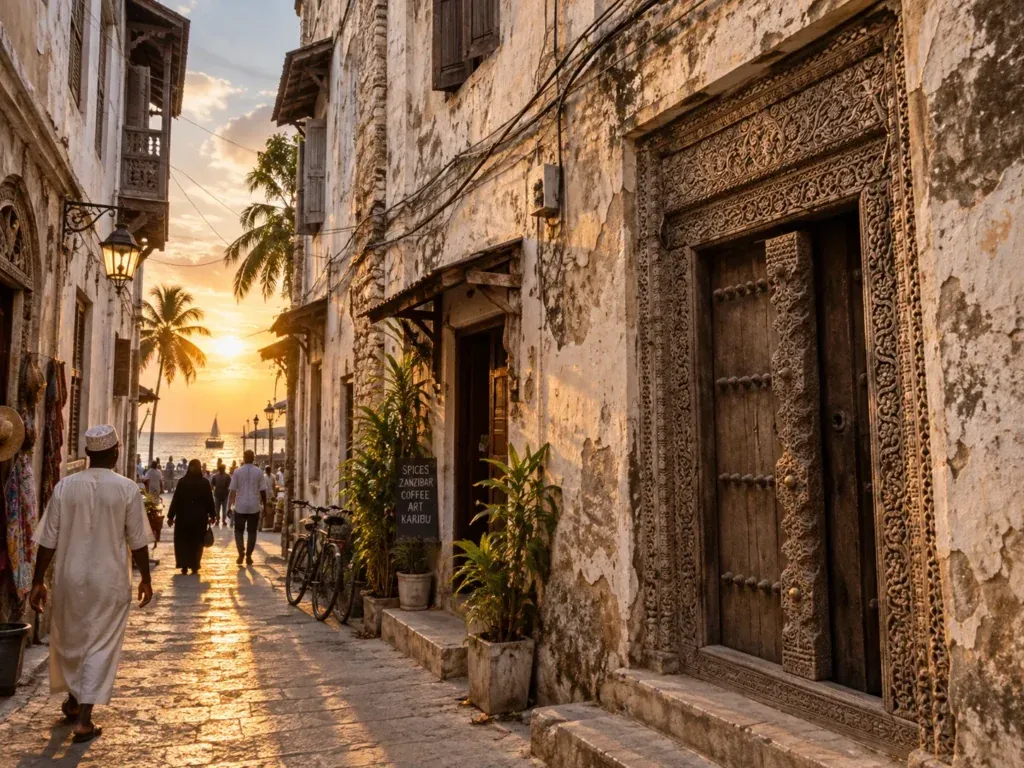
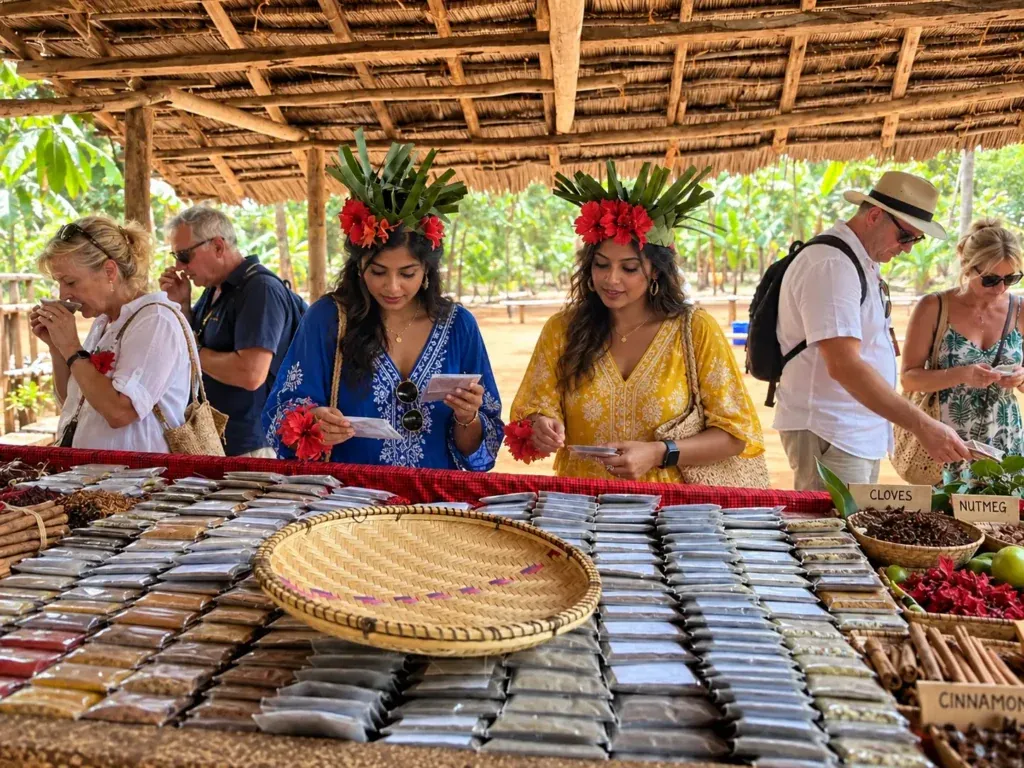
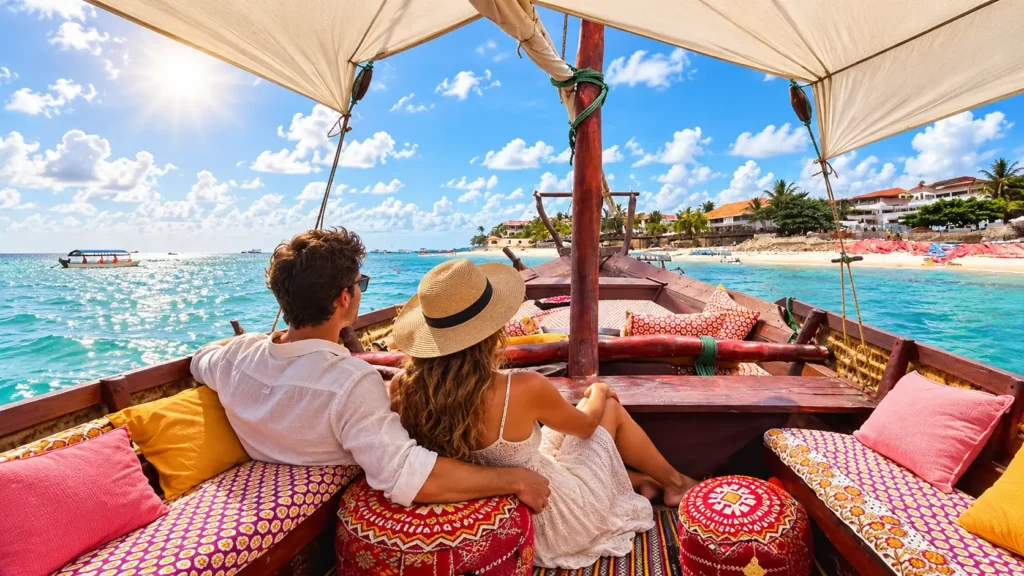
Zanzibar wins on cultural depth. Stone Town’s alleys, carved doors, markets and waterfront give the island a historic centre that Mauritius does not match, and spice farms, dhow trips and village visits add context. Dress modestly away from the resort, since Zanzibar is predominantly Muslim, and agree prices for tours in advance.
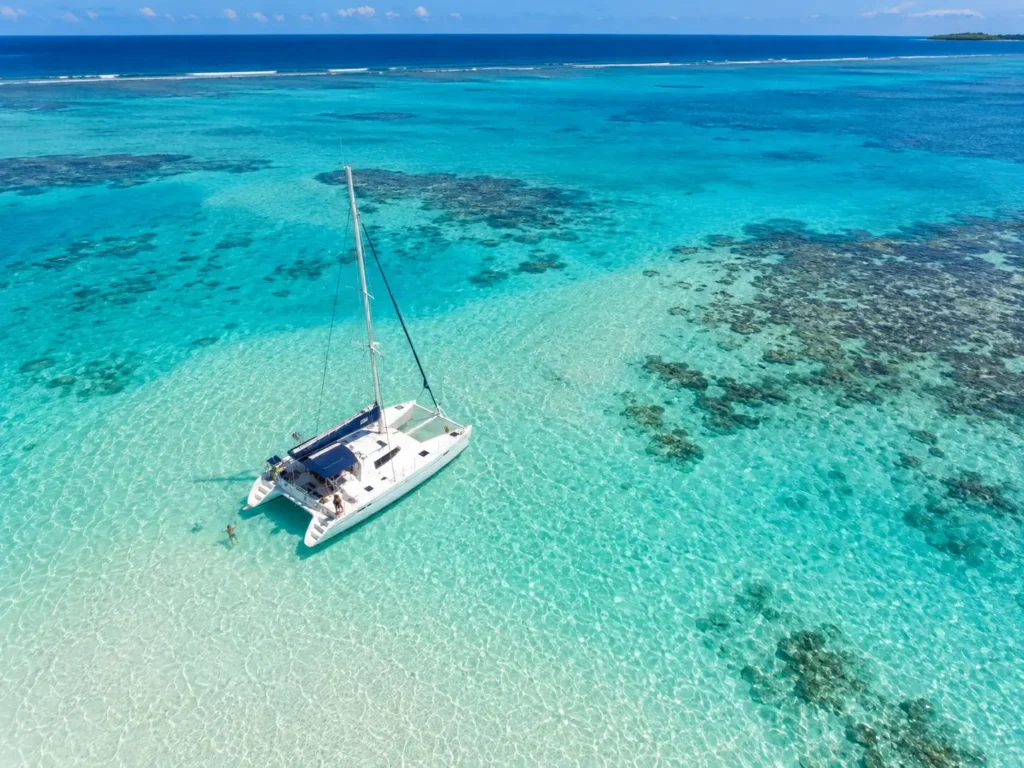
Mauritius offers variety of a different kind. You can fit golf, a gorge hike, botanical gardens, rum estates and a catamaran day into one week, and hiring a driver makes it straightforward. Creole food and the island’s mix of cultures give it character too, but the luxury trip is typically hotel-led. The seven-day Mauritius itinerary groups sights by coast to reduce long drives.
Seasons: when each island works best
Mauritius has a warm, humid summer from November to April and a cooler, drier winter from June to September. The meteorological service puts mean summer and winter temperatures around 24.7C and 20.4C, a small gap, and cyclone risk sits in the summer half, mostly January to March. Winter brings stronger trade winds on exposed coasts, so west-facing resorts are favoured then. The best time to visit Mauritius guide covers each month.
Zanzibar has two dry windows: a long one from about June to October and a shorter one from December to February. Short rains often fall in November and December, and heavier rains arrive from around March to May, when some hotels reduce services or close. These are broad patterns, and the wind affects kitesurfing, diving and sea conditions differently by coast. June to October also happens to coincide with the main safari season, which is why a combined trip is popular then.
Cost and value
Mauritius is a reliable value at a premium level, and a sensible range for seven nights for two adults, excluding flights, is around US$5,000 to US$10,000 in resort accommodation. Zanzibar can cost less for a villa-style stay, but airport transfers, tours and imported drinks add quickly, and room rates on the north coast can match Mauritius in peak season. Compare the all-in figure with meals and transfers included. Direct Mauritius flights can cost more in school holidays because the service is limited, whereas Zanzibar often prices well on one-stop routes.
Visas, insurance and health: check before you book
Mauritius does not require most UK, EU, US, Canadian and Australian passport holders to buy a visa for a tourist stay, but visitors must complete the free All-in-One Travel Digital Form and show the QR code on arrival. Only use the official government portal, since third-party sites charge fees. Timing guidance varies, so complete it as early as the portal allows.
Zanzibar is part of Tanzania, and most visitors need a Tanzania e-visa, commonly US$50 for a single entry, obtained in advance. Zanzibar also requires its own compulsory travel insurance certificate sold through the Zanzibar Insurance Corporation, reported at US$44 per adult, and it applies even if you hold private cover. A yellow fever certificate is needed only if you arrive from, or have recently transited, a risk country, which can include Kenya or Uganda on a safari route. Rules on mainland insurance are changing, so confirm the current position before travelling.
Health points differ. Zanzibar is a malaria area, so talk to a travel clinic six to eight weeks ahead about tablets. Mauritius has no malaria but does carry dengue and, in 2026, a chikungunya outbreak, so daytime mosquito protection matters. Check TravelHealthPro and your own government’s advice before booking, as entry rules and health notices change.
The verdict
Pick Mauritius for a first luxury island holiday, for families, and for anyone who wants a non-stop flight, dependable lagoons and plenty to do within a short drive. Le Saint Géran suits the full-service route, and LUX* Le Morne suits those who want mountain scenery and wind sports, outside its May to October 2027 renovation closure.
Pick Zanzibar if the culture matters as much as the beach or if safari comes first. Zuri is the easy north-coast option for swimming, while White Sand fits couples who want villa privacy and are happy to plan around the tide.
My own pick for a straight seven-night beach holiday is Mauritius. For a safari-and-beach itinerary, I would choose Zanzibar.
Hotels compared
| Property | Best for | Booking |
|---|---|---|
| One&Only Le Saint Géran | Full-service resort week on the east coast | Check rates |
| LUX* Le Morne | Mountain backdrop and wind sports | Check rates |
| Zuri Zanzibar | Tide-proof swimming at Kendwa | Check rates |
| Zanzibar White Sand Luxury Villas & Spa | Private villas and Paje kitesurfing | Check rates |
Some links on this page are affiliate links. If you book through them, Lagoon Edit may earn a commission at no extra cost to you. It never affects which resorts we recommend.