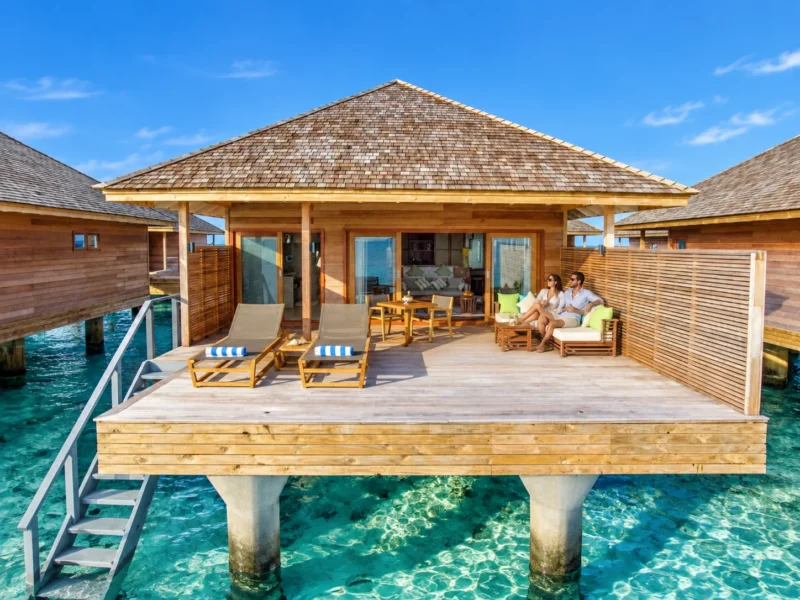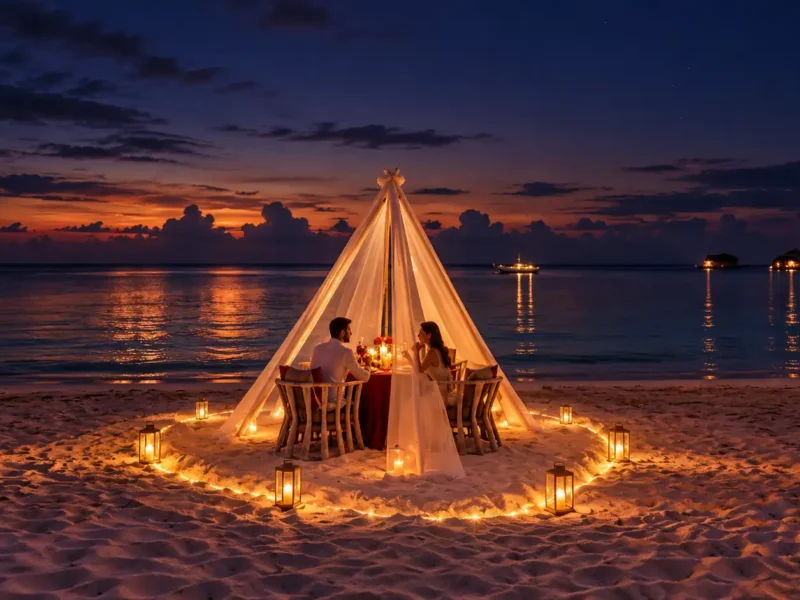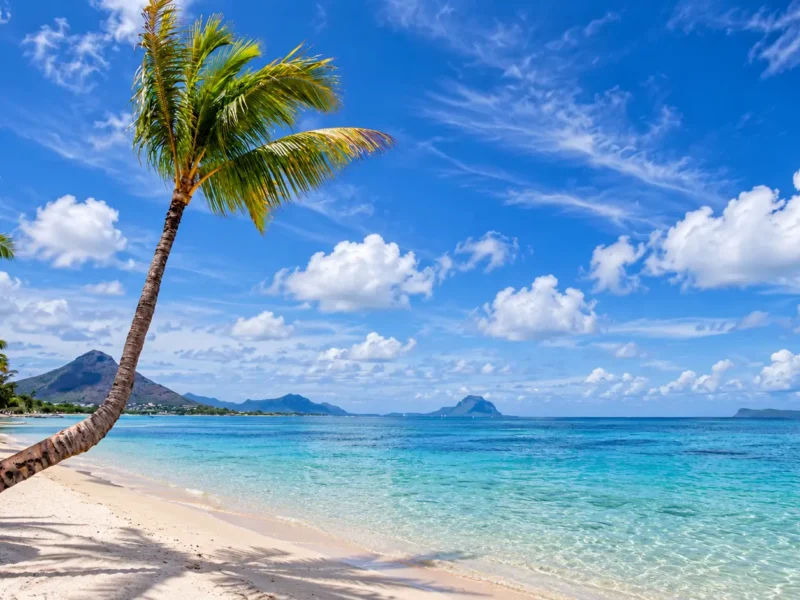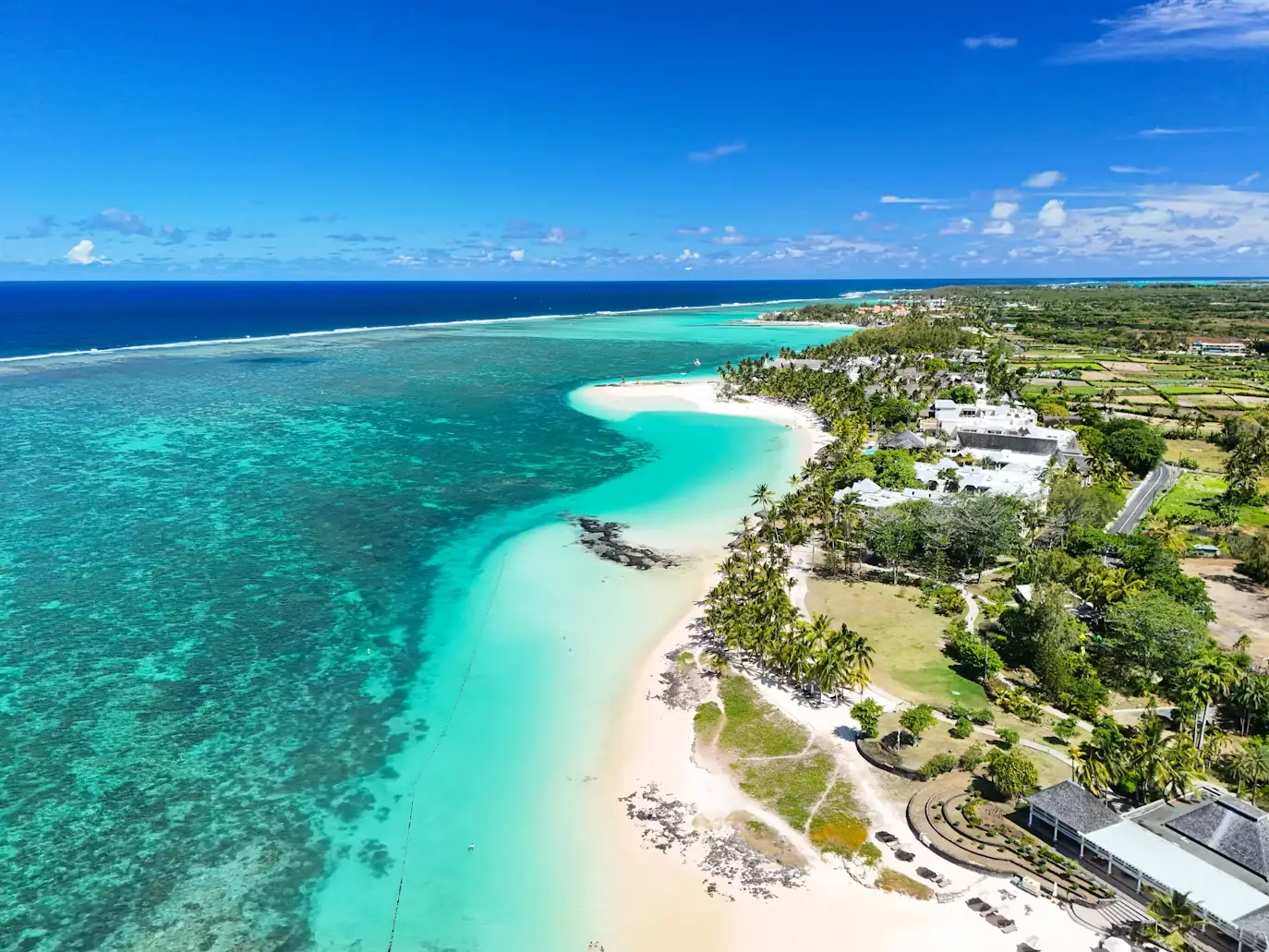
The best time to visit Mauritius for a luxury holiday is October to early December or April to May, when the sea is warm, rainfall is low to moderate and the winter trade winds have eased. June to September is cooler, drier and cheaper outside the school holidays, and it is the season for kitesurfing at Le Morne and humpback whales off the west coast, but the east coast is breezy then. January to March is the hottest, most humid and wettest stretch, with the main cyclone risk. Pick the month first, then the coast to match it, and the hotel follows from both.
The quick answer by type of trip
- Beach and pool, all coasts: October, November, April and May.
- Lowest rates with good weather: May, June and September, booked on the west or north coast.
- Kitesurfing: June to September at Le Morne, with the strongest, steadiest wind in July and August.
- Whale watching: August and September for humpbacks, within a season of roughly July to October.
- Warmest sea: January to March, around 27–28°C, if you accept the humidity, the showers and the cyclone risk.
- Festivals: late January to early March for Cavadee, Chinese New Year and Maha Shivaratri; late October or November for Diwali.
Summer versus winter in Mauritius
Mauritius is in the southern hemisphere, so its seasons run opposite to Europe’s. Summer lasts from November to April: coastal highs typically reach 29–31°C, humidity is high and most of the year’s rain falls in short, heavy downpours, often in the afternoon. Winter runs from June to September, with afternoons around 24–26°C on the coast, cool evenings and much less rain. May and October are the transition months, and for many travellers they are the sweet spot.
The island’s own geography adds a layer. The central plateau around Curepipe is several degrees cooler and much wetter than the coast all year, which is why a cloudy forecast for “Mauritius” can still mean a sunny afternoon on the beach. The Mauritius Meteorological Services’ 1991–2020 rainfall normals put February above 300 mm on average island-wide and October under 100 mm, the clearest single sign of how the year divides.
Mauritius month by month
| Month | Weather | Sea | Events and seasons | Prices |
|---|---|---|---|---|
| January | Hot, humid, frequent showers | 27°C | Cyclone risk; Cavadee in some years | Peak to 6 Jan, then mid |
| February | Wettest month, very humid | 27–28°C | Cyclone peak; Chinese New Year; Cavadee in some years | Mid, higher at half-term |
| March | Hot and wet, easing late | 27–28°C | Maha Shivaratri; Independence Day 12 March | Mid |
| April | Warm, fewer showers | 27°C | Easter holidays | Mid, higher at Easter |
| May | Warm, drier, clearer | 25–26°C | Cyclone season ends 15 May; kite season starts | Low |
| June | Mild, dry on the west | 24°C | Kitesurfing | Lowest of the year |
| July | Coolest, breezy | 23°C | Kite peak; humpbacks arrive | Rising with school holidays |
| August | Cool, breezy, dry | 23°C | Best whale month; European holidays | High for families |
| September | Warming, dry | 23–24°C | Whales; Père Laval pilgrimage on 9 September | Low to mid |
| October | Warm, driest month | 24–25°C | Last whales; half-term; Diwali in some years | Mid |
| November | Warm, mostly dry | 25–26°C | Cyclone season opens; Diwali (8 November 2026) | Mid |
| December | Hot, humidity and showers rising | 26–27°C | Festival Kreol; Christmas and New Year | Mid, then peak from about 20 Dec |
Sea temperatures are typical lagoon averages. Rain and wind vary more by coast than by week, so use the table to pick a window, then the coast.
January to March: hot, green and unpredictable
These are the warmest sea months, and the island is at its greenest, but they are also the wettest and the most exposed to cyclones. Most days still bring sunshine between storms, and resorts outside the New Year week and February half-term discount accordingly. I’d book these months only with flexible rates and travel insurance, and choose a hotel with plenty to do under cover.
April and May: the autumn shoulder
The rain tails off through April and the sea stays warm, so this is one of the best all-round windows, especially after the Easter holidays. May is drier and clearer still, with the cyclone season formally closed on 15 May, and prices drop as the low season begins. The trade winds start to build late in May, so the east coast gets breezier towards June.
June to September: the dry winter
Winter suits walking in Black River Gorges, golf and active days, and the west and north coasts are pleasant for the beach, if a little fresh in the evenings. Sea temperatures of around 23°C feel cool to some swimmers, so a heated pool is a real advantage. June and September are the best value months of the year; July and August fill with families from Europe and South Africa.
October to December: warming up
October is the driest month in the long-term record and the sea is warming, which is why it sits at the top of many shortlists. November is warmer and still mostly dry, although the cyclone season opens on 1 November, with the real risk arriving later. December brings rising humidity and the festive peak. Early December is a good compromise if you want summer warmth without January’s rain.
Trade winds: which coast to book in which season
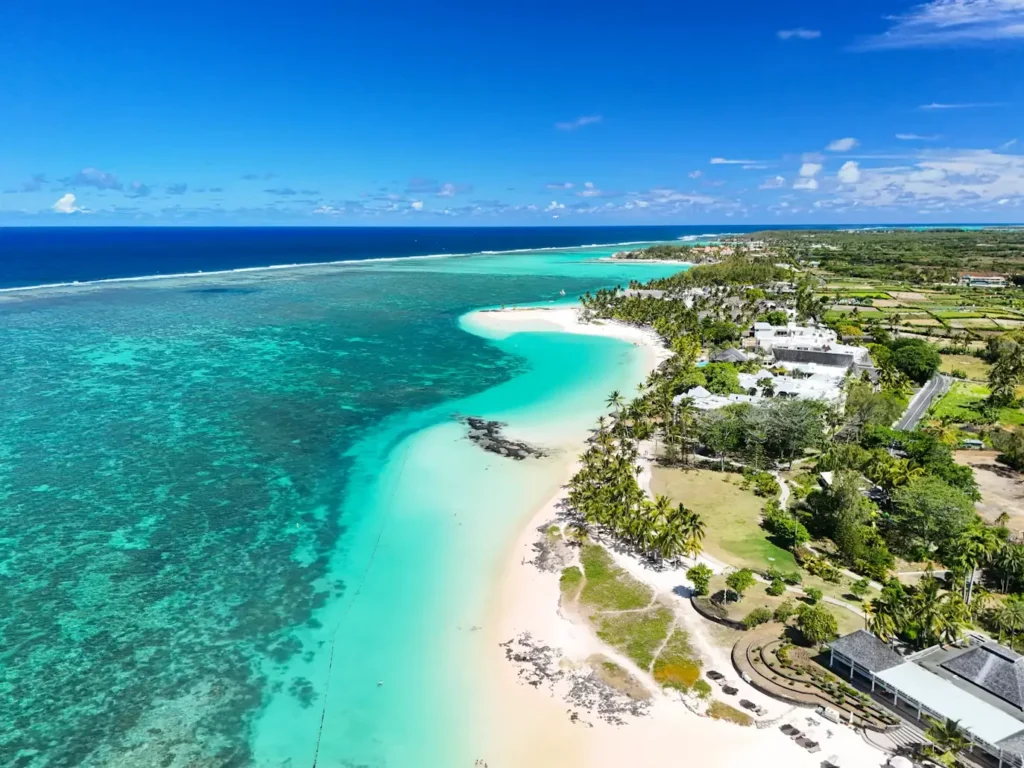
From about May to October, the south-east trade winds blow across the island most days, typically strongest from June to September. They hit the east and south coasts directly and drop off in the lee of the mountains, so the west (Flic en Flac, Wolmar, Tamarin) and the north-west (Turtle Bay, Trou aux Biches) are the calmer, sunnier side in winter. Le Morne is the exception: it sits at the south-west tip and catches enough wind to make it the kitesurfing capital, while its sheltered lagoon still suits swimmers. From November to April, the winds are lighter and more variable, and the long east-coast beaches are at their best.
Wind is no reason to rule the east out in July. It keeps the heat down and the reef holds back the swell, but the lagoon is choppier and boat trips are cancelled more often. The guide to the east and west coasts of Mauritius sets the two sides against each other in detail.
Cyclone season: what it means for your booking
The official cyclone season runs from 1 November to 15 May, with most activity between January and March. In many years no cyclone comes close, but when one does, the disruption is real. Mauritius uses a four-class warning system, and at Class 3 people must stay indoors; flights are usually suspended. In late February 2025, Cyclone Garance shut the airport and kept visitors inside their hotels until the warning was lifted.
If you travel in these months, book flexible or refundable rates, buy insurance that covers weather delays, and avoid paying in advance for boat trips you cannot move. Large resorts with generators, several indoor restaurants and a spa handle a lockdown day far better than a small boutique hotel. Follow the Mauritius Meteorological Services and your hotel’s instructions once you are there.
Sea temperature, kitesurfing and whale season
The lagoons peak at around 27–28°C in February and March and dip to about 23°C in August. Most luxury resorts heat at least one pool in winter, and private villa pools are often heated too, which changes the feel of a July holiday more than any brochure photo of the beach.
Kitesurfers should aim for June to September. The wind at Le Morne typically blows at 15 to 35 knots on most days, the lagoon suits lessons and progression, and the reef break at One Eye draws experienced riders from around the world. May, October and November still bring plenty of windy days with fewer people on the water.
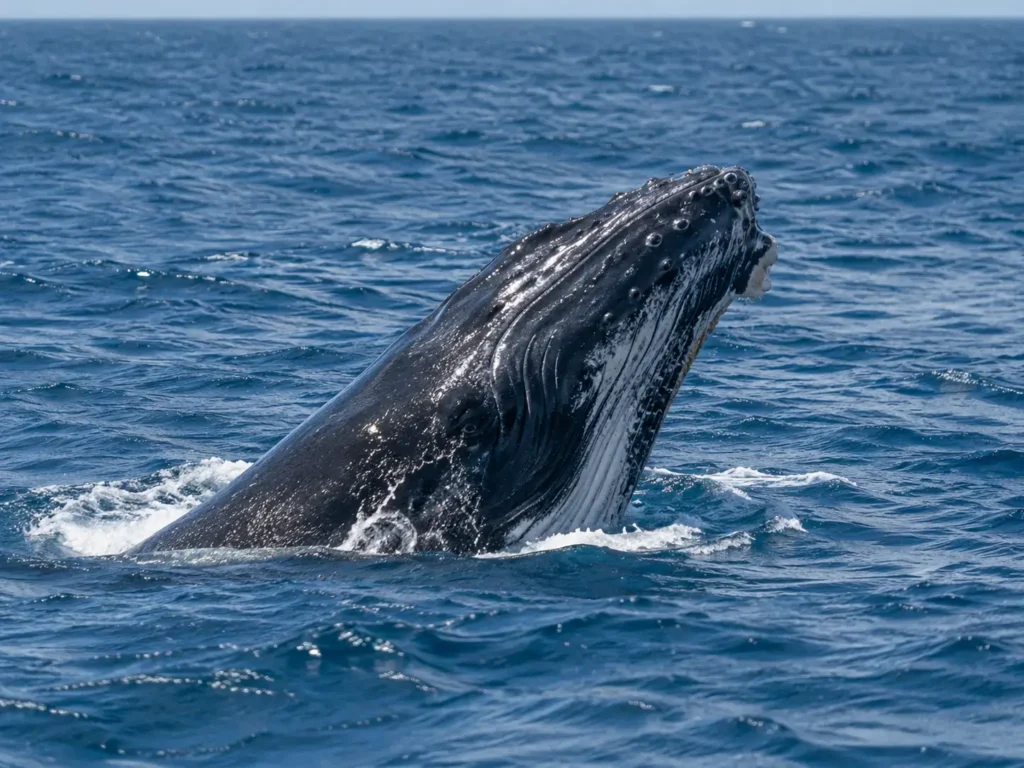
Humpback whales travel north from Antarctic feeding grounds to breed and calve, arriving off the west coast in about July and leaving by around October; August and September give the most sightings. Boats leave from Tamarin, Black River and Le Morne. Sperm whales live offshore all year, so sightings are possible in any season when the sea is calm. Use a licensed operator, and decline any trip that offers swimming with whales, which the regulations do not allow.
Festivals worth planning around
Mauritius celebrates Hindu, Tamil, Chinese, Christian and Muslim festivals, and several of them are public holidays. Dates follow lunar calendars and move each year; the 2027 dates below are from the published public-holiday calendar, so confirm them before booking around one.
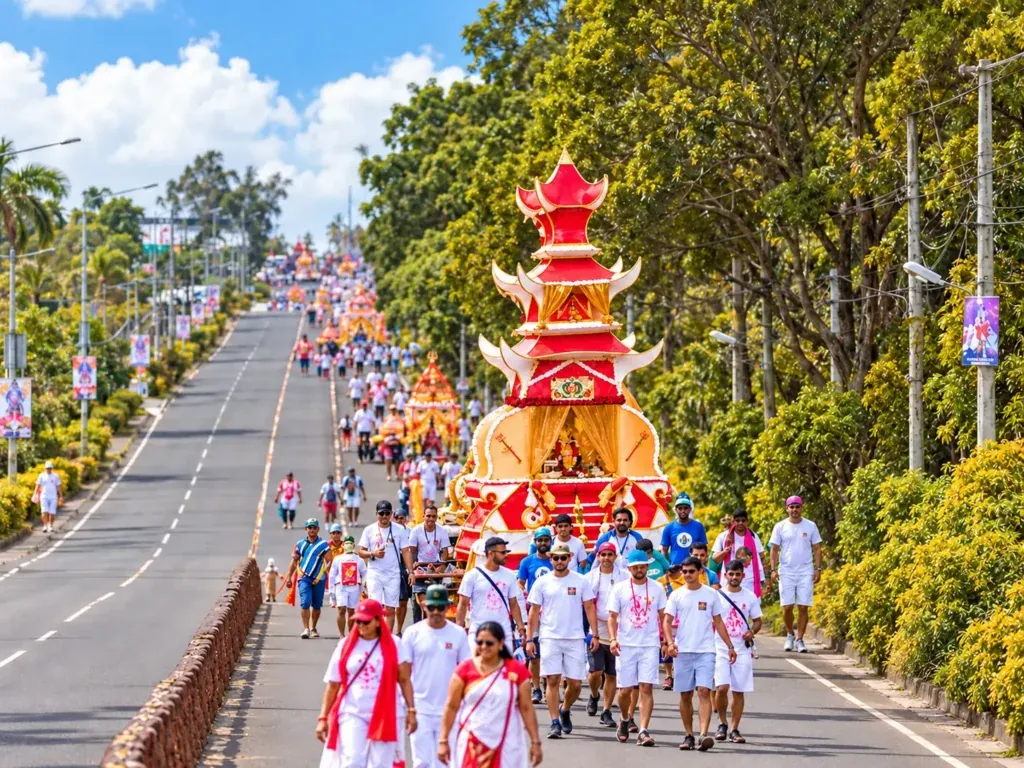
- Thaipoosam Cavadee (January or February; 23 January 2027): Tamil devotees carry decorated wooden arches to temples, many with their skin pierced, after days of fasting. Processions start early in the morning.
- Chinese New Year (January or February; 6 February 2027): firecrackers, dragon dances and red lanterns in Port Louis’s Chinatown, with sweet wax cakes shared between neighbours.
- Maha Shivaratri (February or March; 6 March 2027): hundreds of thousands of pilgrims dressed in white walk to the crater lake at Grand Bassin, many carrying ornate kanwars. Roads in the south are busy for days, so plan Chamarel and Black River Gorges around it.
- Diwali (October or November; 8 November 2026, 29 October 2027): clay lamps line houses and gardens across the island, and families share sweets. Resorts often mark the night with a special dinner.
Other dates to know: Independence Day on 12 March, the Père Laval pilgrimage to Sainte-Croix on 9 September, Ganesh Chaturthi in August or September, and the Festival Kreol of Creole music and food, usually held in late November or December.
Prices and school holidays
Rates follow the European and South African school calendars more than the weather. The most expensive dates are from about 20 December to 6 January, when top resorts can charge double their June rate, impose minimum stays of seven nights or more and add a compulsory gala dinner. Easter, the February and October half-terms and late July to August are also busy. The best value is in May, June and September, when a lagoon room that costs from around US$900 a night at One&Only Le Saint Géran in June can roughly double over New Year. Across the year, a seven-night luxury trip for two typically costs US$5,000–US$10,000, excluding international flights.
Prices are indicative and were last updated in October 2026. Rates change with season, exchange rates and availability, so check live prices before booking.
French families travel in August and over the Toussaint holiday in late October, and South Africans arrive in June to July and over December. If you want a quiet resort, avoid those weeks, or choose a hotel with an adults-only pool or a separate wing.
The best hotel for each season
Each hotel below is chosen for the months when its coast and facilities work best. The best luxury resorts in Mauritius guide has full reviews of more hotels across all coasts.
The Oberoi, Mauritius: best for June to August
Turtle Bay on the north-west coast is one of the most sheltered spots on the island when the trade winds blow, and the bay is part of a marine park, so the snorkelling stays good while the east coast is choppy. The Oberoi spreads 71 thatched pavilions and villas through 20 acres of gardens, and the villa categories come with walled gardens and private pools, ideal for cooler winter afternoons. The sun sets over the bay, and dinner at On the Rocks makes the most of it.
- Best for: couples travelling in the southern winter
- Rates: pavilions from around US$550 a night in low season (June to September) and around US$750 in high season, pool villas from around US$1,300, with breakfast and taxes included
- Location: Turtle Bay, Balaclava, around 60 minutes from the airport
- Don’t miss: a morning snorkel in the Turtle Bay marine park
Good to know: June is the cheapest month here, and pool villas are the categories to book if you want somewhere sunny and sheltered to sit in the afternoon.
LUX* Le Morne: best for kite and whale season, July to October
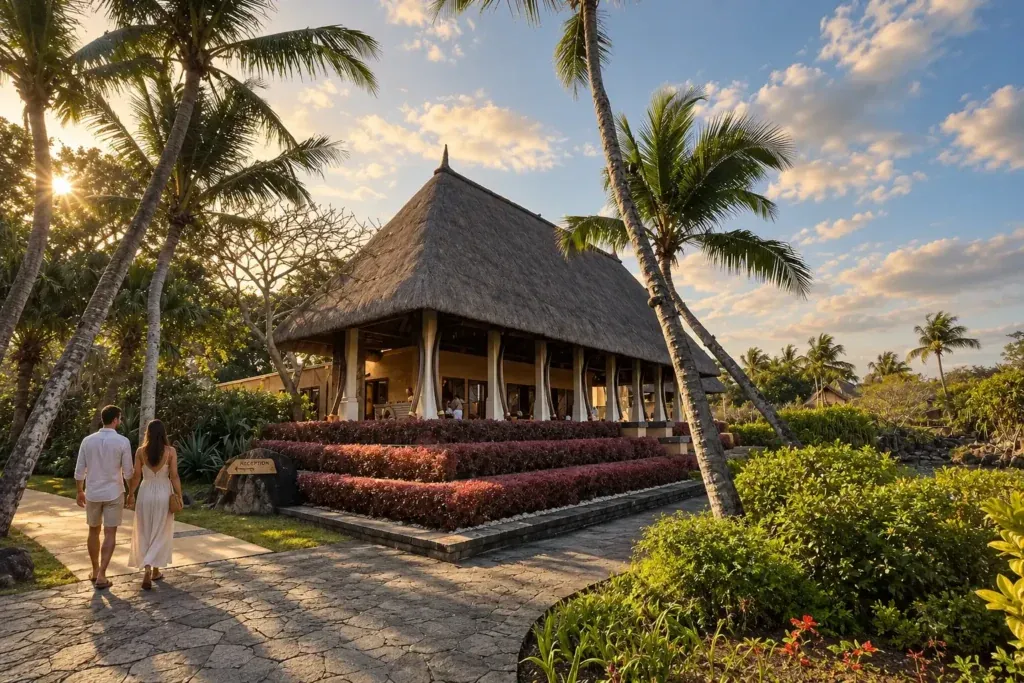
LUX* Le Morne faces the kitesurfing lagoon right under Le Morne Brabant, so in July and August the kite schools are a short walk along the beach, and whale-watching boats leave from Le Morne and nearby Black River. Nearly every room is a junior suite, and the Sunset and Ocean suites look west across the water. It has a more relaxed, younger feel than the grander resorts on the peninsula, and rates sit below them too.
- Best for: kitesurfers, whale watchers and active couples
- Rates: from around US$380 a night in low season (June to August) and around US$700 in high season for a Deluxe Room, with breakfast; check whether VAT is in the quote, and note the resort closes for renovation from 1 May to 31 October 2027, so it is not an option for the 2027 kite and whale season
- Location: Le Morne peninsula, around 60–75 minutes from the airport
- Don’t miss: an early humpback trip in August or September
Good to know: parts of the lagoon here are used by kitesurfers in winter, so ask the beach team which zone is set aside for swimming.
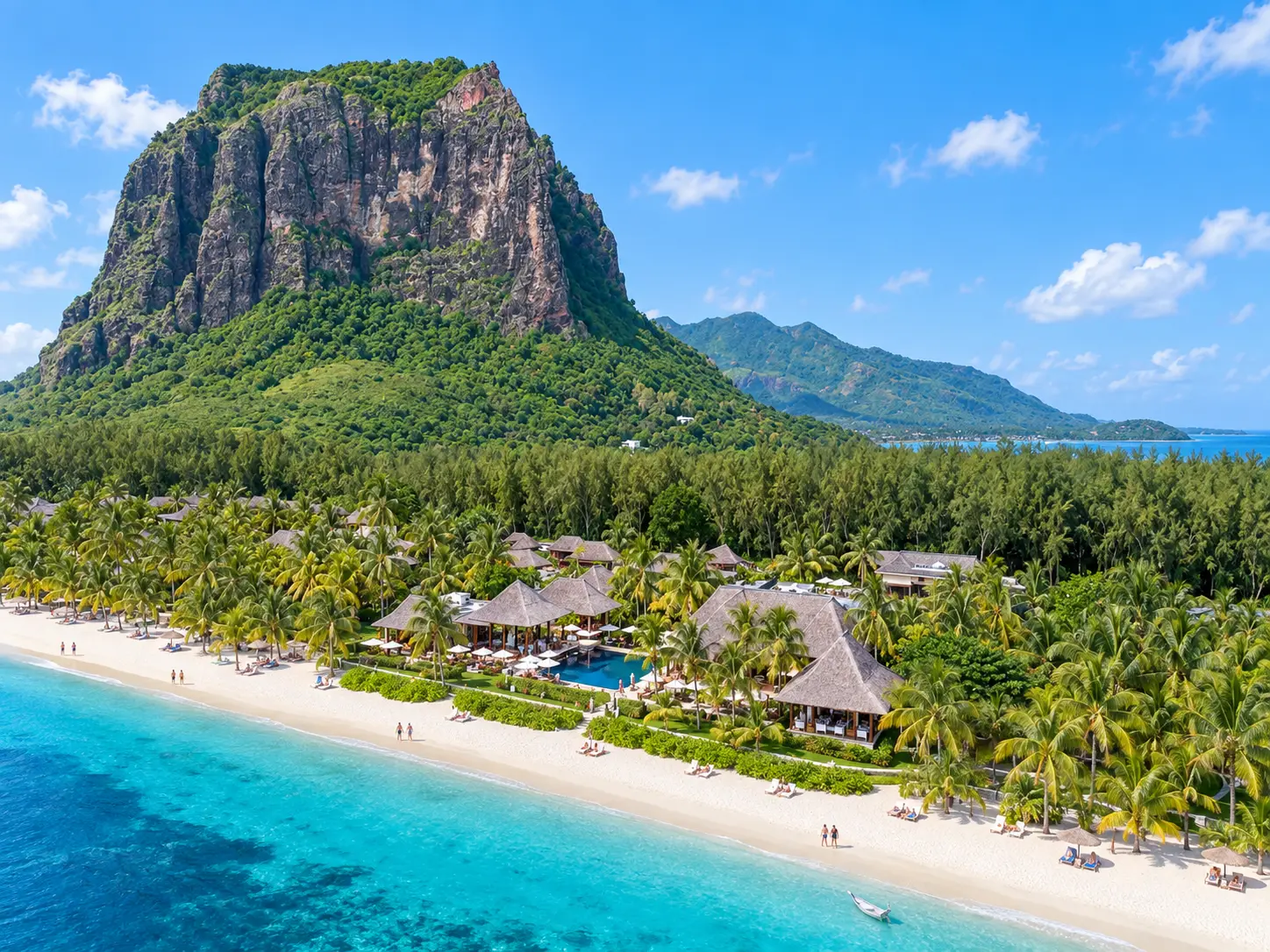
One&Only Le Saint Géran: best for October and November
The east coast comes into its own once the trade winds ease in October, and Le Saint Géran’s peninsula at Poste de Flacq is where you see it at its best: calm lagoon on one side, sunrise over the ocean on the other. October half-term and Diwali fall in this window, and the resort’s KidsOnly club and OneTribe teen programme make it a strong family pick for those weeks. Seven restaurants, including Tapasake on the water, give a full week of variety.
- Best for: families at October half-term and couples in November
- Rates: from around US$900 a night in low season (June to September) and around US$1,250 in high season for a lagoon room, with breakfast, before 15% VAT
- Location: Poste de Flacq, around 50–60 minutes from the airport
- Don’t miss: a sunrise swim on the ocean side, then breakfast by the lagoon
Good to know: family offers, such as free stays for younger children, tend to apply outside the festive season, so October is often better value than December for families.
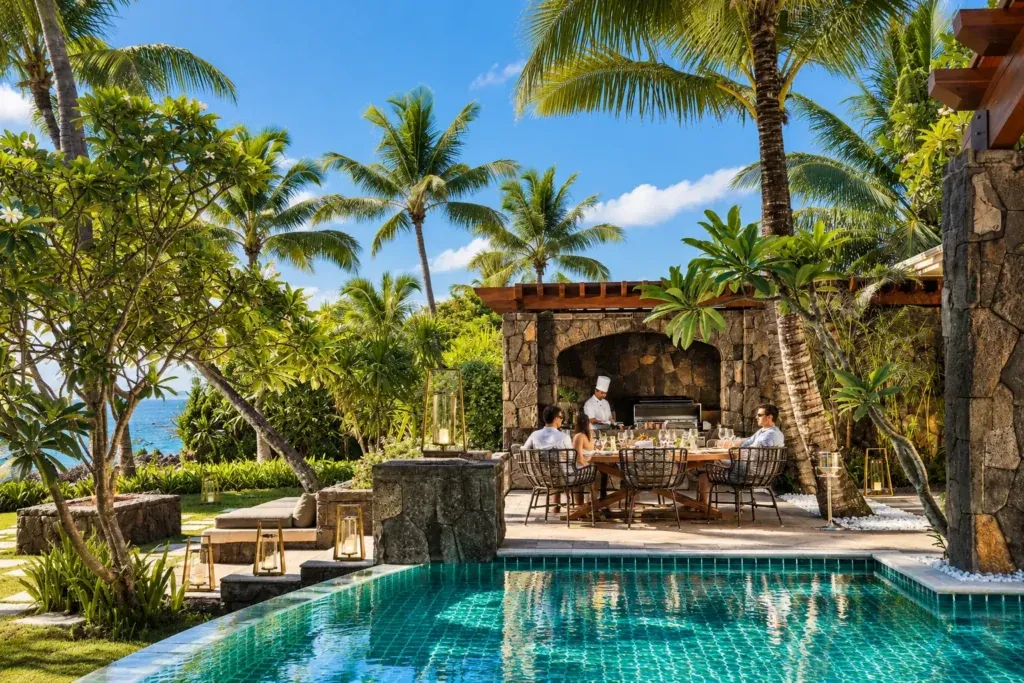
LUX* Grand Baie: best for December and the festive season
Over Christmas and New Year, a resort with life in the evenings and restaurants beyond its gates makes the busiest fortnight easier. LUX* Grand Baie, opened in late 2022, has 86 suites and a handful of villas and residences with private pools, plus the adults-only Bisou rooftop with its infinity pool, the beach club Beach Rouge and a multi-level spa. Grand Baie’s restaurants and boutiques are a short walk or drive away, and Port Louis, with its Chinese New Year celebrations in late January or February, is under an hour south.
- Best for: festive trips and couples who like going out
- Rates: from around US$500 a night in low season (June to September) and around US$750 in high season for a junior suite, much higher over New Year; rates vary widely by date, so check live prices
- Location: Grand Baie, around 60–75 minutes from the airport
- Don’t miss: a December sunset at Bisou
Good to know: the north is also sheltered in winter, so the same hotel works for a sunny June break at a fraction of the festive rate.
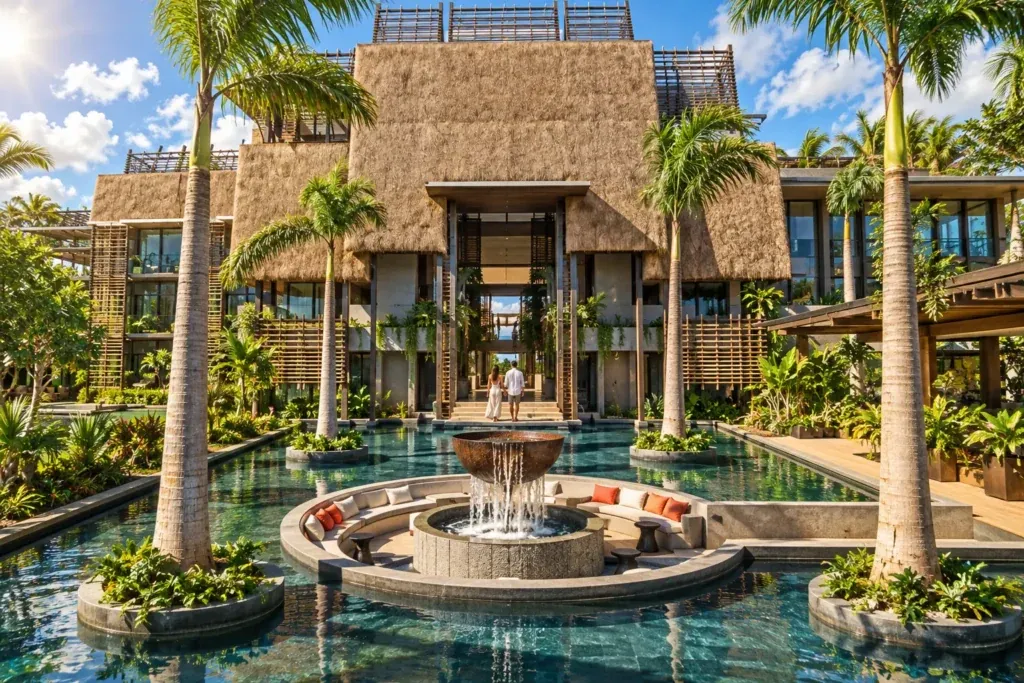
Four Seasons Resort Mauritius at Anahita: best for January to March
In the hot, wet months, a villa with its own pool and shaded terrace is the best insurance against a showery afternoon, and every villa at Anahita has both. The resort at Beau Champ also has the shortest transfer of the big east-coast hotels, at around 40 minutes, which helps if cyclone warnings move your flights. A full spa, four restaurants and the Ernie Els golf course give you plenty to do on a grey day, and the warm summer sea suits a trip across to the resort’s own stretch of Île aux Cerfs on clear mornings. Rates fall after the New Year week.
- Best for: villa holidays and families in the summer months
- Rates: from around US$950 a night in low season (May to September) and around US$1,350 in high season for a garden pool villa; check whether VAT and breakfast are in your quote
- Location: Beau Champ, around 40 minutes from the airport
- Don’t miss: an early morning round of golf before the midday heat
Good to know: book a flexible rate in these months, and ask how the resort handles cancelled boat trips and changed departure dates.
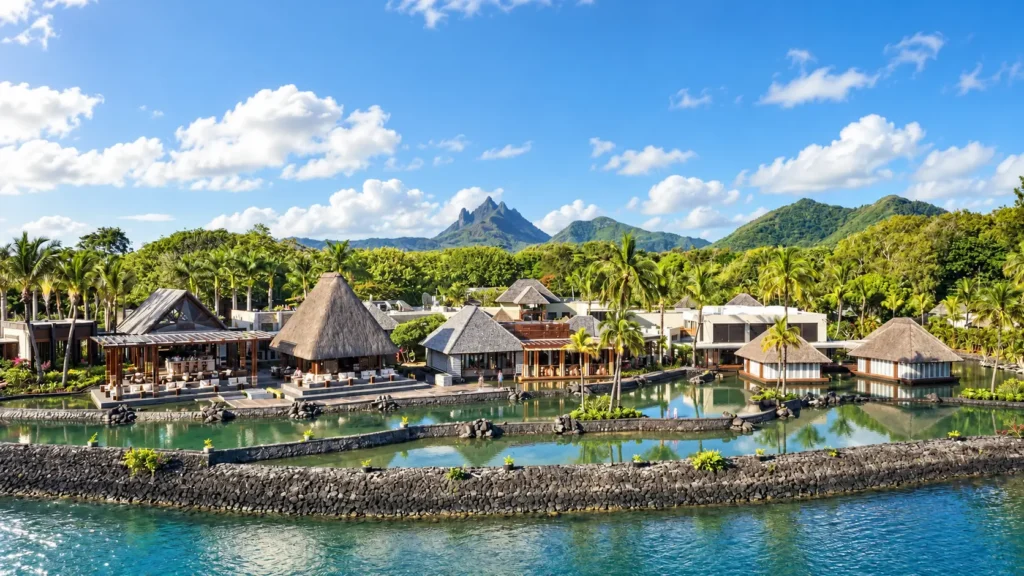
Constance Prince Maurice: best for April and May
After Easter, the east coast is quiet, warm and still calm before the winter wind, which suits Prince Maurice’s small scale. Its roughly 89 suites and villas line a beach on one side and a calm mangrove-edged inlet on the other, and Le Barachois, its restaurant floating on pontoons over the inlet, is at its best on the still evenings of late autumn. A wine cellar of around 25,000 bottles and Relais & Châteaux cooking make it a food-led choice.
- Best for: couples who travel for food in the autumn shoulder
- Rates: from around US$700 a night in low season (mid-May to September) and around US$1,250 in high season for a junior suite, with breakfast and VAT included
- Location: Poste de Flacq, just over an hour from the airport by road
- Don’t miss: a calm-evening dinner at Le Barachois
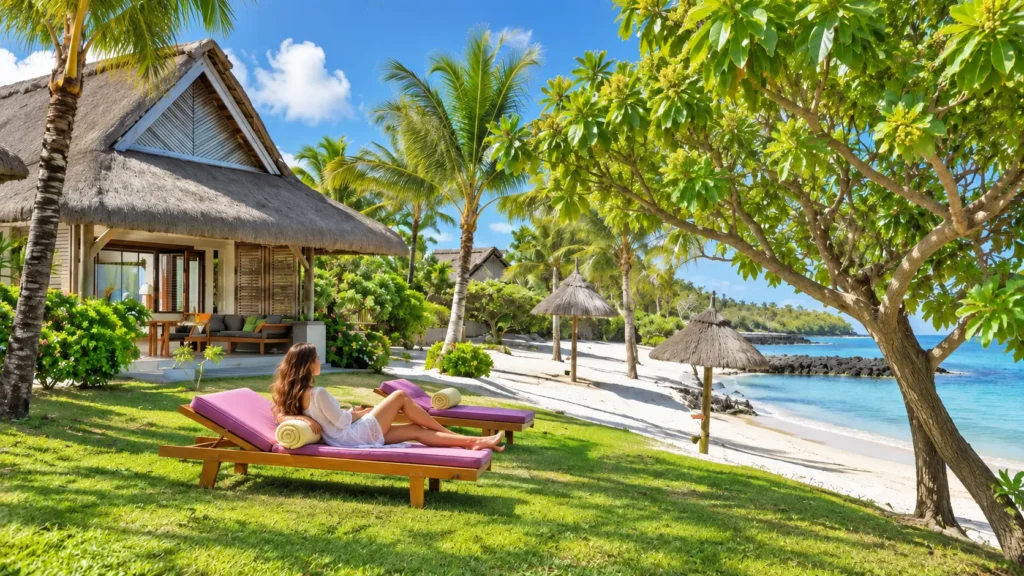
Compare the seasonal picks
| Hotel | Coast | Best months | From around | Booking |
|---|---|---|---|---|
| The Oberoi, Mauritius | North-west | June to August | US$550 | Check rates |
| LUX* Le Morne | South-west | July to October | US$380 | Check rates |
| One&Only Le Saint Géran | East | October and November | US$900 | Check rates |
| LUX* Grand Baie | North | December, also June | US$500 | Check rates |
| Four Seasons Resort Mauritius at Anahita | East | January to March | US$950 | Check rates |
| Constance Prince Maurice | East | April and May | US$700 | Check rates |
My verdict
If your dates are open, I’d go in October, November, April or May and book whichever coast you prefer. For June to September, choose the west or north-west for the beach, Le Morne for kitesurfing and the whales, and save money outside the school holidays. January to March is fine with a flexible booking and a villa that copes with the rain. Once you have dates, the seven-day Mauritius itinerary shows how to plan the week, the one resort or split stay guide covers combining two coasts, and the Mauritius honeymoon guide covers the romantic side.
Booking links are affiliate links. I may earn a commission at no extra cost to you.
Some links on this page are affiliate links. If you book through them, Lagoon Edit may earn a commission at no extra cost to you. It never affects which resorts we recommend.