For six nights or fewer, book one island. For nine nights or more, two islands make sense, as long as the second resort changes the pace and the move between them is planned around Fiji’s fixed boat and flight timetables. A luxury Fiji itinerary loses the most time not on the water but on the ground: long-haul flights land in Nadi at hours that rarely line up with island transfers, and every change of resort costs roughly half a day plus a few hundred dollars per person. This guide works through that arithmetic, then shows how Six Senses Fiji, Likuliku Lagoon Resort, VOMO Island Fiji and Yasawa Island Resort & Spa fit together as first stops, finales or single-resort stays.
The quick answer: how many islands for your trip length
Count transfer days before you count islands. Arrival day is rarely a full beach day, departure day almost never is, and a mid-trip move takes out another morning or afternoon. On a six-night trip with one move, you end up with about four complete days split across two resorts. That is why I’d keep short trips to a single base and only add a second island once each stay can run to at least four nights.
| Trip length | Islands | Full days on an island | Notes |
|---|---|---|---|
| 5–6 nights | One | 4–5 | A second resort would leave two short, interrupted stays |
| 7–8 nights | One, or one plus a Nadi/Denarau night | 5–6 | Add the mainland night only if your flight times force it |
| 9–10 nights | Two | 6–7 | Four nights first, five or six nights second |
| 11–14 nights | Two | 8–11 | Room for a weather day at each resort |
| 15+ nights | Two, possibly three | 11+ | A third base only if it adds something new, such as diving or a different island group |
The same logic shows up in other island regions. If you are comparing Fiji with a shorter break elsewhere, the guide to the best luxury islands for a five-night trip picks out destinations where one resort is enough, and the 10-day French Polynesia itinerary shows how a split stay works where inter-island flights are part of the plan from the start.
Flight arrival times into Nadi and why they decide the first night
Almost every international flight lands at Nadi International Airport on Viti Levu, and the time it lands matters more than the resort you picked. Fiji Airways’ overnight service from Los Angeles is scheduled to land at around 6am, while the main Sydney service has recently been arriving in the early evening, around 7pm. Flights from Auckland and Brisbane land at a spread of times, some in the very early hours. Each of these lands you in a different gap.
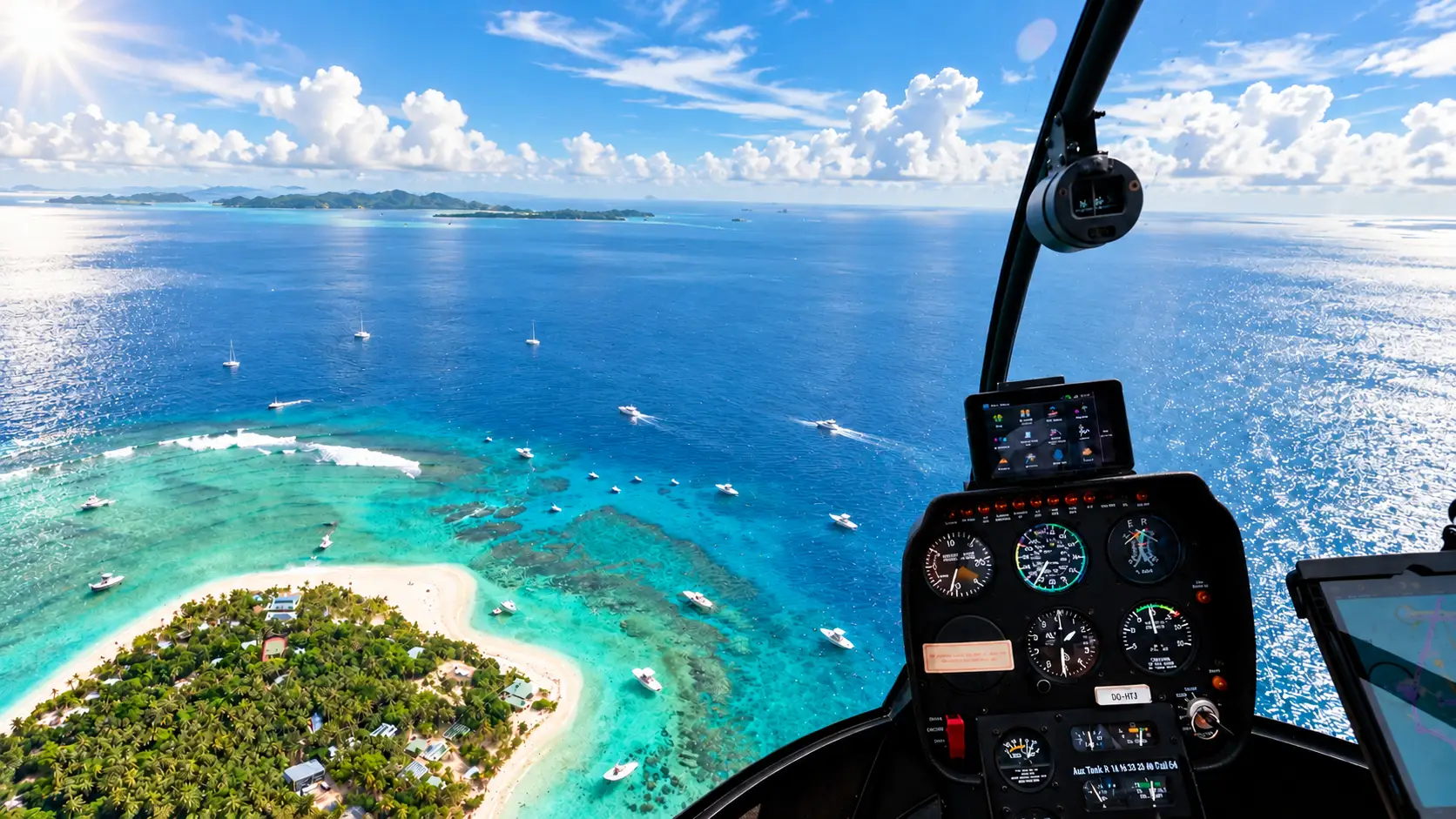
- Dawn arrivals (around 5am–7am): the best case for going straight to an island. Six Senses runs a shared boat from Port Denarau at 7.30am and VOMO’s speedboats operate from 5am on a pre-booked basis. Helicopters, however, fly in daylight only, and Likuliku accepts no helicopter arrivals before 8am.
- Midday arrivals: workable for most Mamanuca transfers, and the only window that suits Yasawa Island Resort’s scheduled flight, which has typically left Nadi at 2pm.
- Evening arrivals (after about 5pm): plan a night in Nadi or on Denarau. Helicopter and light-aircraft operations generally wind down by around 5.30pm, and a late private speedboat after a long-haul flight is a poor start to the holiday.
A mainland night is not wasted. Booked on Denarau, near the marina, it turns a stressful connection into a calm morning boat ride, and it gives you a buffer if your long-haul flight is late. The cost is one hotel night and a short taxi ride, which is usually less than a private evening speedboat.
Check-in, check-out and transfer timetables
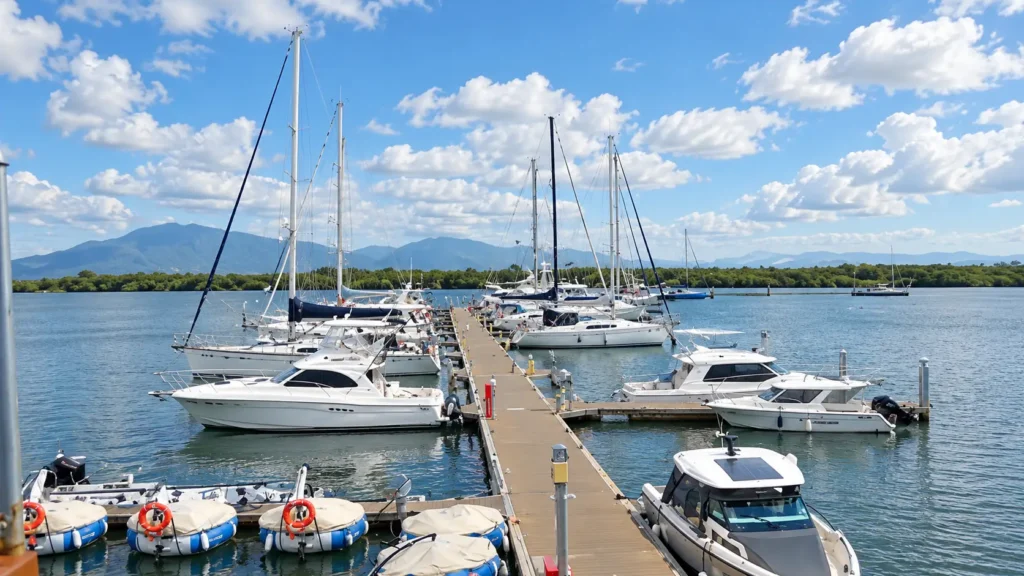
Island resorts in Fiji publish fairly standard hotel hours: VOMO lists check-in at 2pm and check-out at 11am, while Likuliku’s are 3pm and 11am. The friction comes from boats and aircraft that run on their own clocks. Six Senses’ shared speedboat leaves Port Denarau at 7.30am, 11am, 3.30pm and 6pm, and returns from the island at 5.30am, 8.30am, noon and 3.30pm. Likuliku’s guests can use South Sea Cruises catamarans from Denarau (the 3.15pm sailing takes under an hour; the 12.15pm one stops at other islands and takes about two hours) or a scheduled 5.30pm seat-in-boat service. VOMO’s daily ferry leaves Denarau at 8.30am and heads back in the late afternoon.
Put those together and a mid-trip move often looks like this: check out at 11am, wait for a midday or afternoon departure, arrive after 3pm, and settle in just before sunset. That is a day spent mostly in transit, even when the distance is short. When you compare resorts, ask each one which departure they would put you on for your exact dates. For a closer look at the travel side of a remote-island holiday, the guide to luxury islands without a seaplane transfer covers the alternatives.
What an extra transfer really costs
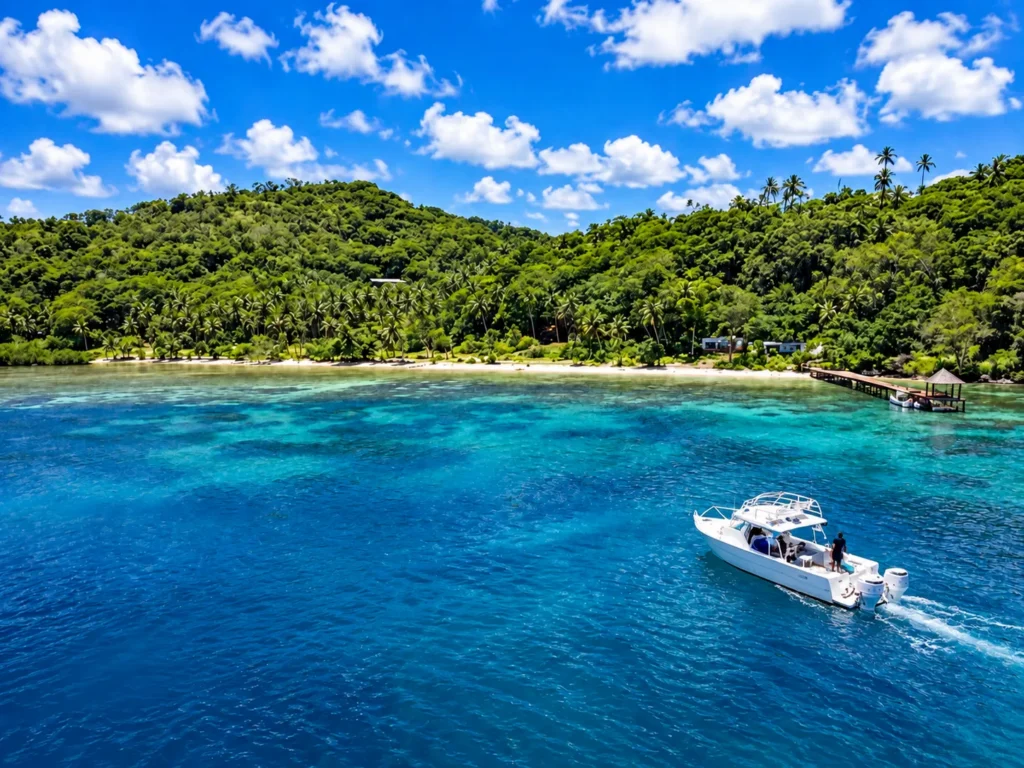
Moving resorts adds a second set of one-way transfers, and Fiji’s are not cheap. The figures below are published one-way fares per adult in Fijian dollars (FJ$1 is roughly US$0.44), before fuel surcharges, which several operators add separately.
| Route | Method | Time | One way, per adult |
|---|---|---|---|
| Denarau to Six Senses Fiji | Shared speedboat | About 45 min | From around FJ$485 |
| Nadi or Denarau to Six Senses Fiji | Shared helicopter | About 10 min | From around FJ$810 |
| Denarau to Likuliku | South Sea Cruises catamaran | About 1–2 hours | From around FJ$110, plus fuel surcharge |
| Nadi to Likuliku | Helicopter | A few minutes | From around FJ$511 |
| Vuda Marina to VOMO | Speedboat (min. 2) | About 35 min | Around FJ$420, including the current fuel surcharge |
| Nadi to VOMO | Helicopter (min. 2) | About 15 min | From around FJ$840 |
| Nadi to Yasawa Island Resort | Scheduled light aircraft | About 30 min | Around FJ$1,350 return |
Prices are indicative and were last updated in October 2026. Rates change with season, exchange rates and availability, so check live prices before booking.
For a couple, the extra legs of a two-resort trip typically add somewhere between FJ$1,000 and FJ$4,000 (about US$450 to US$1,750), depending on whether you travel by catamaran or helicopter. Add a possible Denarau night if the timings do not connect, plus the half day of holiday you give up. None of this rules out a split stay, but it is the bill to weigh against the change of scenery.
How to pair resorts so the second stay adds something
Three rules make a two-island trip worth the transfer. First, don’t pair two resorts on the same island: Six Senses Fiji and Likuliku both sit on Malolo, so moving between them changes the room, not the setting. Second, put the easier transfer first, so the jet-lagged arrival day is short and flexible. Third, finish where the departure transfer suits your flight home; a remote finale with a single afternoon flight works for an evening departure from Nadi but not for a morning one.
If you want the regional detail behind these pairings, the Mamanuca vs Yasawa Islands comparison covers scenery, beaches and reefs. This guide sticks to sequencing: which resort works at which point in the trip.
Four resorts and the role each plays in an itinerary
Six Senses Fiji: the most flexible first stop
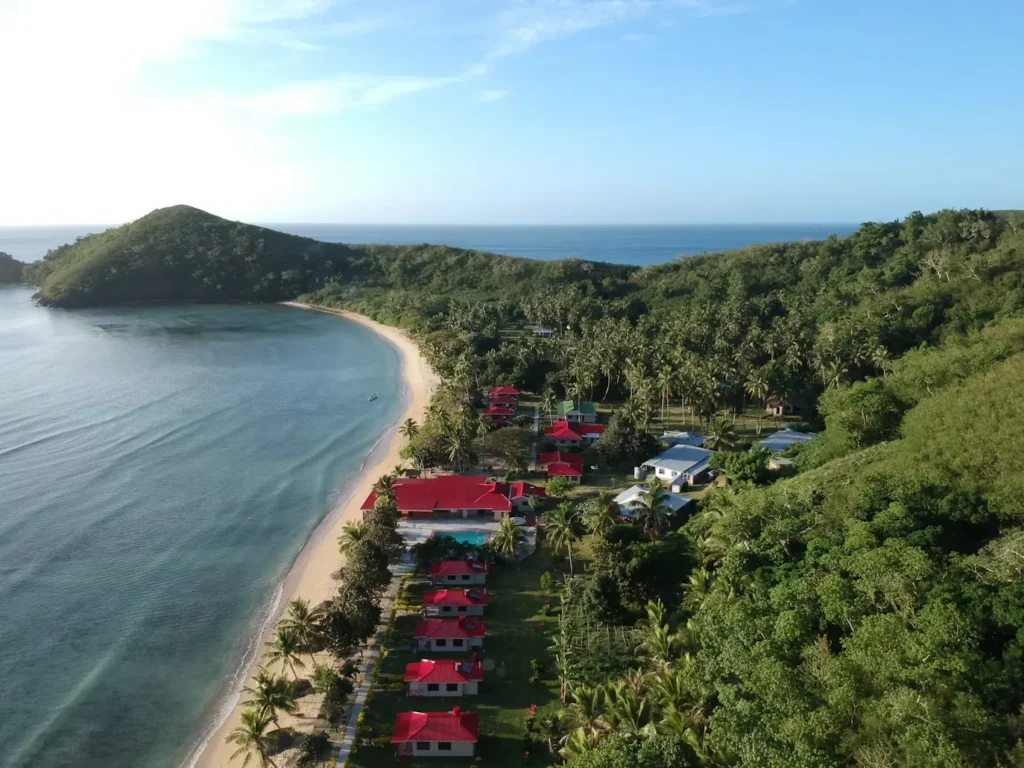
Six Senses Fiji has the most frequent scheduled transfers of the four, with four shared speedboat departures a day from Port Denarau and a helicopter hop of about ten minutes from Nadi. That timetable is what makes it the natural opening stay: whether you land at dawn or around lunchtime, there is a boat within a few hours. Pool villas give jet-lagged arrivals a private place to recover, and the larger residences let families or groups start the trip together before splitting off. It also works as a single-resort week, since the spa and wellness programme give a long stay some structure.
- Itinerary role: first stop, or a single base for five to seven nights
- Transfer: shared speedboat about 45 minutes from Denarau; helicopter about 10 minutes from Nadi
- Rates: Hideaway Pool Villas start near US$1,050 a night from February to April and climb to around US$1,250 in the June to October peak, usually with breakfast and before taxes
- Pairs well with: VOMO or Yasawa Island Resort as the second stay
Good to know: the 5.30am boat back to Denarau exists for early international departures, but I’d only rely on it if your flight leaves after about 9am; otherwise, spend the final night on the mainland.
Likuliku Lagoon Resort: best as a couple’s full stay or opening chapter
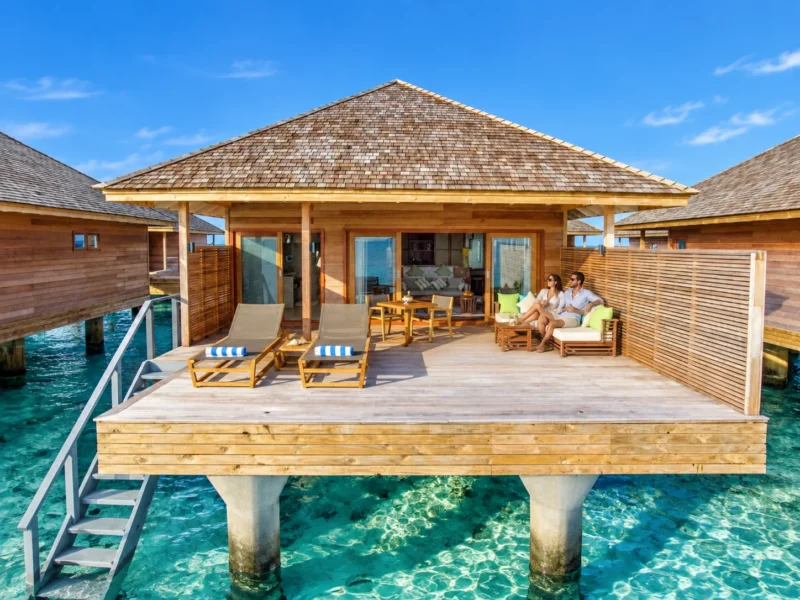
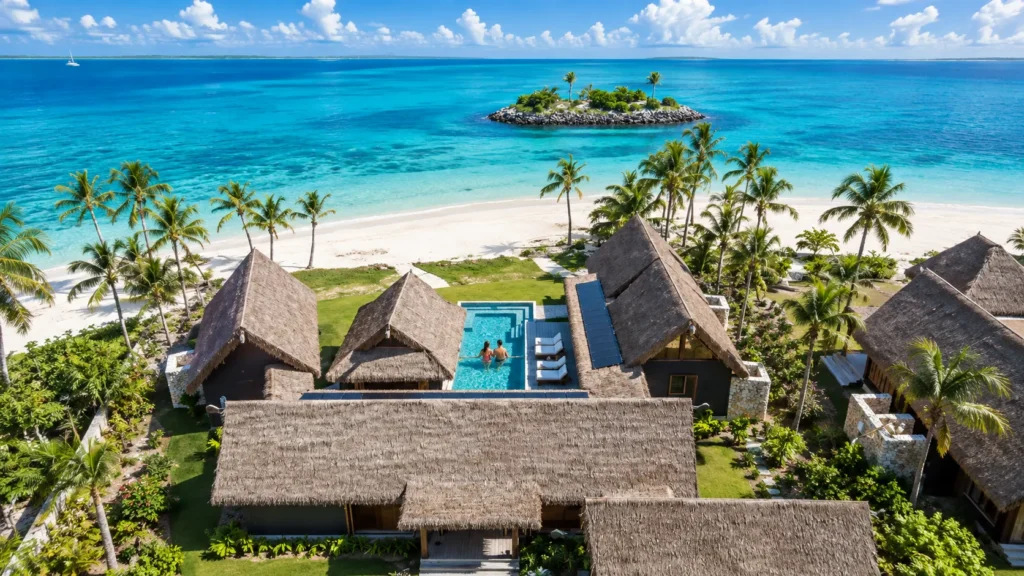
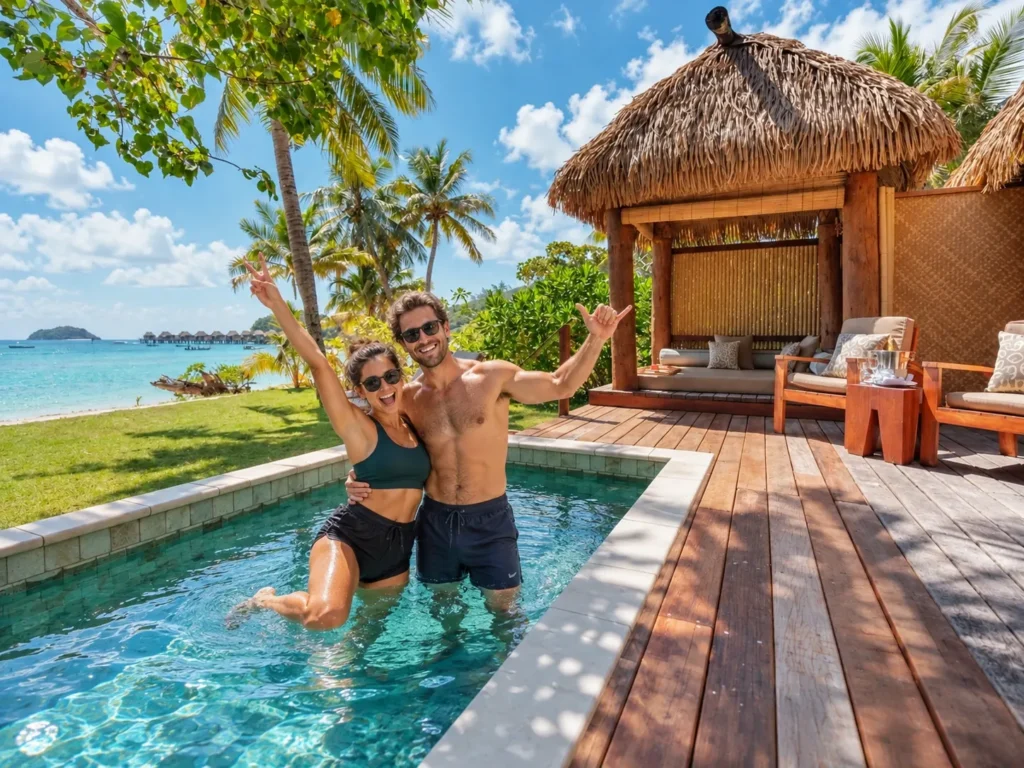
Likuliku is adults-only and includes meals in its rates, which simplifies budgeting for the longest part of a honeymoon. It also asks for a fairly long stay: for much of 2026, a five-night minimum has applied, so it rarely suits a short second leg. I’d use it either as the whole trip or as the first five nights of a ten- to twelve-night itinerary, followed by somewhere quieter. The overwater bures are the reason most couples choose it, and they are a good reason to spend more nights here than elsewhere.
- Itinerary role: single base for a honeymoon, or a five-night opening stay
- Transfer: catamaran from Denarau (about an hour on the direct afternoon sailing), water taxi, or helicopter from Nadi in daylight from 8am
- Rates: Beachfront Bures from around US$1,050 a night in low season (February and March) and about US$1,200 from June to October, with three meals daily but before tax and drinks; overwater bures cost noticeably more
- Pairs well with: Yasawa Island Resort for a quieter finale, not Six Senses next door
Good to know: Likuliku asks for 48 hours’ notice to arrange transfers, and in low season return helicopter transfers have been included on stays of seven nights or more, which changes the cost of a single-resort week.
If you are still deciding between Fiji and French Polynesia for a honeymoon, the Fiji vs Bora Bora honeymoon guide sets the two side by side, and the roundup of adults-only island resorts shows where Likuliku sits among quieter options worldwide.
VOMO Island Fiji: a reliable finale or a family base
VOMO’s transfers are the most adaptable for the last leg of a trip. Speedboats from Vuda Marina, about 20 minutes’ drive from Nadi Airport, operate on a pre-booked basis between 5am and 9pm, and a helicopter reaches the airport in about 15 minutes. That spread of options means you can match the departure to almost any international flight time, which is why I’d often put it at the end of a two-resort itinerary. Its villas and multi-bedroom residences also make it a sensible single base for families who would sooner not move children mid-trip.
- Itinerary role: finale before a flight home, or a family’s single base for a week
- Transfer: about 35 minutes by speedboat from Vuda Marina; about 15 minutes by helicopter; daily 8.30am ferry from Denarau
- Rates: a Hillside Villa costs around US$1,100 a night in low season (mid-November to mid-December, mid-January to March) and about US$1,350 in high season, with all meals and soft drinks built in; tax is extra
- Pairs well with: Six Senses or Likuliku as the first stay
Good to know: VOMO’s helicopter allows 15kg of luggage per adult plus a small hand bag, so pack for that limit if you plan to arrive or leave by air.
Yasawa Island Resort & Spa: a finale that needs at least five nights
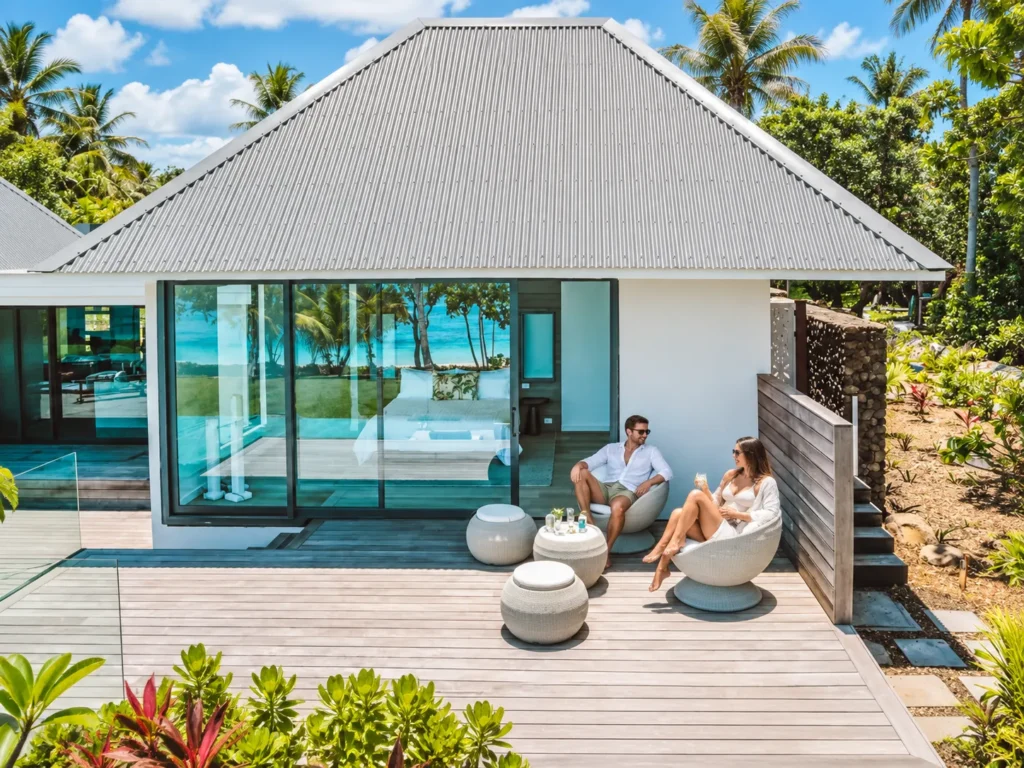
Yasawa Island Resort is the stay that most rewards being placed second. Its scheduled flight has typically left Nadi at 2pm and returned from the island at 2.50pm, landing back in Nadi about half an hour later, so the whole itinerary has to fit around one daily departure. Packages have usually been built around six nights, and five is the shortest stay I’d plan, given that the arrival and departure days each lose most of an afternoon. Meals and non-alcoholic drinks are included and there is no Wi-Fi in the bures, which suits the slower final stretch of a long trip.
- Itinerary role: second stay of a nine-night-plus trip; mostly adults-only outside family weeks
- Transfer: about 30 minutes by scheduled light aircraft from Nadi, then a short drive from the airstrip
- Rates: beachfront bures from around FJ$2,500 (about US$1,100) a night between November and March and about US$1,150 from April to October, with meals, before 12.5% VAT and the 5% Tourism Services Tax
- Pairs well with: Likuliku or Six Senses first, with a Denarau night between if needed
Good to know: the flight allows 23kg per person across checked and cabin bags, guests must be at the domestic terminal an hour before departure, and excess luggage can be left at the resort’s Nadi Airport office.
Sample 6, 9 and 12-night luxury Fiji itineraries
These plans assume a dawn or midday landing in Nadi. If your flight arrives in the evening, add a Denarau night at the start and take one night off the first resort.
| Plan | Nights | Transfers | Suits |
|---|---|---|---|
| 6 nights, one island | 6 at Six Senses Fiji, Likuliku or VOMO | 2 (in and out) | Honeymoons, short family trips |
| 9 nights, two islands | 4 Six Senses Fiji + 5 Yasawa Island Resort | 3, routed via Nadi | Couples wanting a quieter second half |
| 9 nights, family version | 4 Six Senses Fiji + 5 VOMO | 3 | Families and groups in residences |
| 12 nights, two islands | 5 Likuliku + 6 Yasawa Island Resort + 1 Denarau | 3 plus a taxi | Honeymooners with a morning flight home |
| 12 nights, flexible finish | 6 Likuliku + 6 VOMO | 3 | Couples who want an easy last day |
Six nights. Land, transfer the same morning or early afternoon, and leave the first day free. Spread four full days between the reef, a boat trip and the spa, and keep the final morning for a slow breakfast before the transfer back. Adding a second resort here would cut your time on each island to two or three days.
Nine nights. Start with four nights at Six Senses, whose frequent boats absorb any flight delay. On day five, take the noon boat to Denarau, transfer to Nadi Airport and catch the 2pm flight to Yasawa for five nights. Fly back on the 2.50pm service and connect to an evening international departure, or stay one more night near the airport. Families can swap Yasawa for VOMO, which accepts children year-round and has a more flexible return.
Twelve nights. Five nights at Likuliku meet its minimum stay and give the honeymoon its overwater chapter. A morning catamaran or helicopter back to the mainland connects with the afternoon Yasawa flight for six nights in the north. Finish with a night on Denarau if your flight home leaves before mid-afternoon. If you would sooner end with a short, adaptable transfer, swap Yasawa for six nights at VOMO.
Booking checklist for a two-island trip
- Book the least flexible transfer first. If Yasawa is on the list, confirm its flight days and times, then fit the other resort around them.
- Send each resort your full flight details. Ask which departure they would book, who meets you, and what happens if weather grounds aircraft. Yasawa, for example, arranges alternative transfers if its flight is cancelled.
- Pack to the lowest luggage limit. Helicopters in the Mamanucas typically allow 15kg including hand luggage; seaplanes and small aircraft around 20kg to 23kg.
- Keep the international ticket and island transfers apart by a buffer. I’d allow at least three hours between landing back in Nadi and an international departure.
Season affects buffers too. Fiji’s drier months, roughly May to October, bring calmer conditions and the highest demand, so transfers fill early. From November to April, showers and the occasional tropical system make weather delays more likely, and an extra mainland night costs little compared with a missed flight. The luxury Fiji destination guide covers seasons in more depth.
Comparison: where each resort fits
| Resort | Best position | Shortest stay I’d plan | Main transfer | Booking |
|---|---|---|---|---|
| Six Senses Fiji | First stop or single base | 4 nights | Speedboat, 4 daily departures | Check rates |
| Likuliku Lagoon Resort | Single base or first stop | 5 nights (resort minimum for much of 2026) | Catamaran or helicopter | Check rates |
| VOMO Island Fiji | Finale or family base | 4 nights | Speedboat on request, 5am–9pm | Check rates |
| Yasawa Island Resort & Spa | Finale | 5 nights | One daily flight from Nadi | Check rates |
The verdict
One island is the right call for anything up to eight nights, ideally at a resort whose transfers match your arrival time: Six Senses for frequent boats, Likuliku for a meals-included honeymoon, VOMO for families. From nine nights, two islands pay off when the second stay is quieter and the move is routed around the fixed Yasawa flight or VOMO’s flexible boats. If the timings never quite connect, take the hint, stay put and spend the transfer money on a longer stay.
Some links on this page are affiliate links. If you book through them, Lagoon Edit may earn a commission at no extra cost to you. It never affects which resorts we recommend.